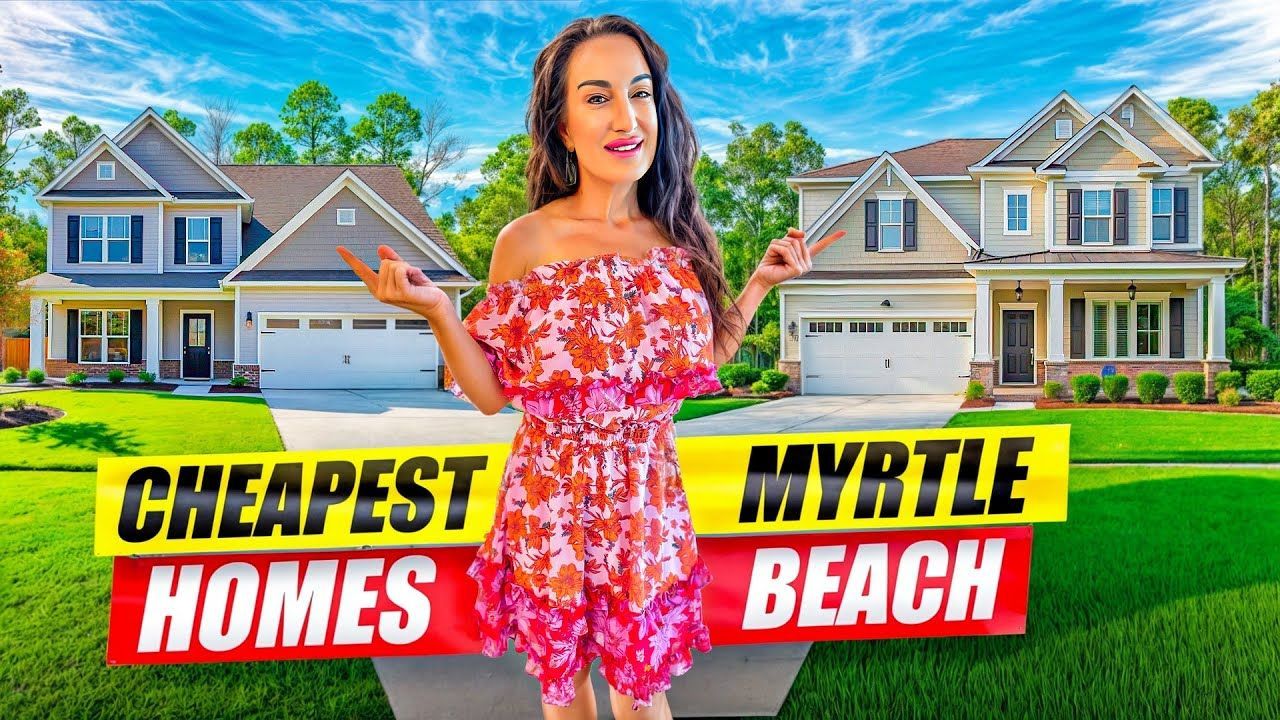
Myrtle Beach's Most Affordable New Construction: Minutes from the Beach Without the Premium Price
The smell of salt air hits you before you see the water. You're ten minutes inland from the Grand Strand, where the morning light filters through pine trees instead of reflecting off high-rise glass, and the roads still feel like neighborhoods instead of tourist corridors. This is where Myrtle Beach keeps its best-kept secret: new construction homes that don't require a seven-figure budget or a compromise on quality.
While everyone fixates on oceanfront condos and the glittering strip of hotels along Ocean Boulevard, a different kind of coastal living is taking shape just beyond the beach traffic. These aren't the luxury resort communities that dominate the real estate listings. They're thoughtfully planned neighborhoods where you can walk into a brand-new home, smell the fresh paint, pick your finishes, and still have money left over for the life you actually want to live here.
I've spent years showing buyers around this market, and the question I hear most often is some variation of "Can I actually afford to live near the beach?" The answer depends entirely on how you define "near." If you need to see the ocean from your bedroom window, you're looking at a different price bracket. But if you're willing to trade a ten-minute drive for a home that costs half as much, with a yard, modern everything, and none of the wear-and-tear of a resale property, then yes, you absolutely can.
The communities I'm covering here represent the most budget-friendly new construction options in the Myrtle Beach area right now. They're not luxury. They're not gated resort-style developments with lazy rivers and clubhouses that look like country clubs. What they are is practical, well-built, and close enough to the beach that you can make it a regular part of your week instead of a special occasion. That proximity matters more than most people realize when they're planning a move.
Table of Contents
Why New Construction Makes Sense in This Market
Buying new construction in Myrtle Beach right now isn't just about getting a house that nobody else has lived in. It's about avoiding the renovation trap that swallows so many coastal buyers whole. The resale market here is full of properties that look fine in photos but reveal their age the moment you step inside. HVAC systems that wheeze through humid summers. Roofs that have been patched one too many times. Flooring that's been "beach-rented" for a decade and shows every grain of sand that ever crossed the threshold.
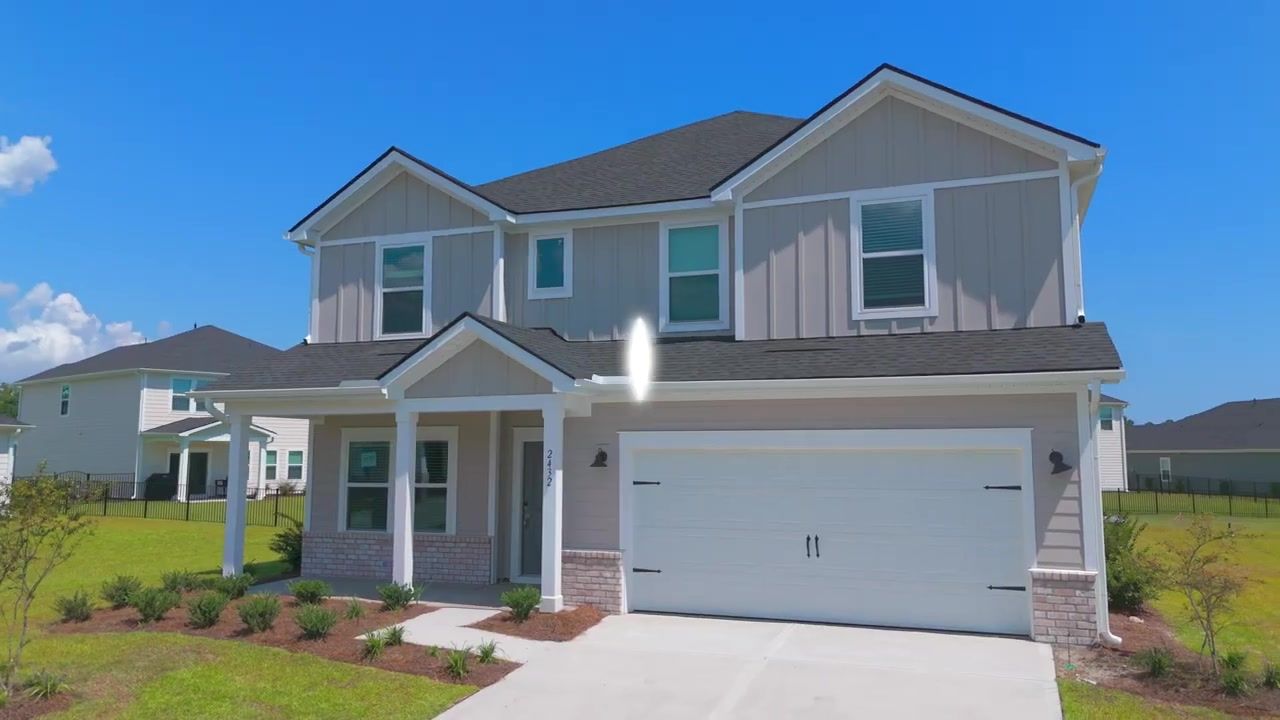
When you buy new, you're buying a warranty. You're buying systems that were installed last month, not last decade. You're buying a roof that doesn't need to be replaced in three years, and windows that actually keep the salt air where it belongs. In a climate this humid, with this much sun and this much wind, that matters more than it would in a landlocked suburb.
The other advantage is customization. Most of these builders let you choose your finishes before the drywall goes up. You're not ripping out someone else's design choices or living with countertops you hate because you spent your budget on the down payment. You're making decisions from a menu of options, and while those menus aren't endless, they're enough to make the house feel like yours from day one.
There's also the reality of inventory. The Myrtle Beach market has been tight for years, and good resale homes in this price range get snapped up fast. New construction gives you more time to think, more room to negotiate, and more certainty about what you're actually getting. You're not competing with five other offers on a house that needs work. You're working directly with a builder who has a pipeline of lots and a schedule they need to fill.
The financing piece is cleaner, too. Lenders like new construction because there's less risk. Appraisals are straightforward. Inspections rarely turn up deal-killers because everything is code-compliant and freshly installed. If you're relocating from out of state and trying to coordinate a sale and a purchase at the same time, that predictability is worth a lot.
What "Minutes to the Beach" Actually Means
When I say these homes are minutes from the beach, I mean it literally, but context matters. You're not walking to the ocean. You're not hearing waves from your back deck. What you are is close enough that a beach day doesn't require planning, packing, and a half-hour drive each way.
Most of these communities sit between ten and fifteen minutes from public beach access, depending on traffic and which part of the Grand Strand you're aiming for. That's close enough to go for a morning walk before work, or to swing by after dinner when the crowds thin out. It's close enough that you'll actually use the beach regularly instead of treating it like a weekend destination.
The trade-off is that you're not in the heart of the tourist zone. You're not walking to restaurants or boardwalk attractions. You're not dealing with spring break traffic outside your front door, either. These neighborhoods feel residential because they are residential. The roads are quieter. The grocery stores are less crowded. The pace is slower.
For some buyers, that's exactly the point. They want coastal access without coastal chaos. They want to live near the beach, not on top of it. They want a home that feels like a home, not a vacation rental that happens to be occupied year-round.
For others, it's a compromise. They'd prefer to be closer, but the math doesn't work. Oceanfront and ocean-view properties in Myrtle Beach start in the mid-six figures and climb fast. Homes within walking distance of the beach aren't far behind. If you're working with a budget that tops out in the low-to-mid threes, you're looking inland. The question is how far inland, and what you get in return.
These communities answer that question with space, newness, and value. You're getting more square footage, more lot, and more house for your money than you'd ever find closer to the water. You're also getting neighborhoods that are still being built out, which means the infrastructure is modern, the landscaping is young, and the community amenities, when they exist, are designed for the people who actually live there, not tourists passing through.
The Trade-Offs You Need to Understand
No home is perfect, and no location checks every box. The most affordable new construction near Myrtle Beach comes with trade-offs that are worth naming up front, because they matter differently depending on what you're prioritizing.
First, you're giving up walkability. These aren't urban neighborhoods where you can stroll to coffee or grab groceries on foot. You're driving to most places. That's fine if you're used to suburban or rural living, but it's a shift if you're coming from a walkable city or a downtown condo. Your car becomes your primary mode of transportation, and errands require a little more planning.
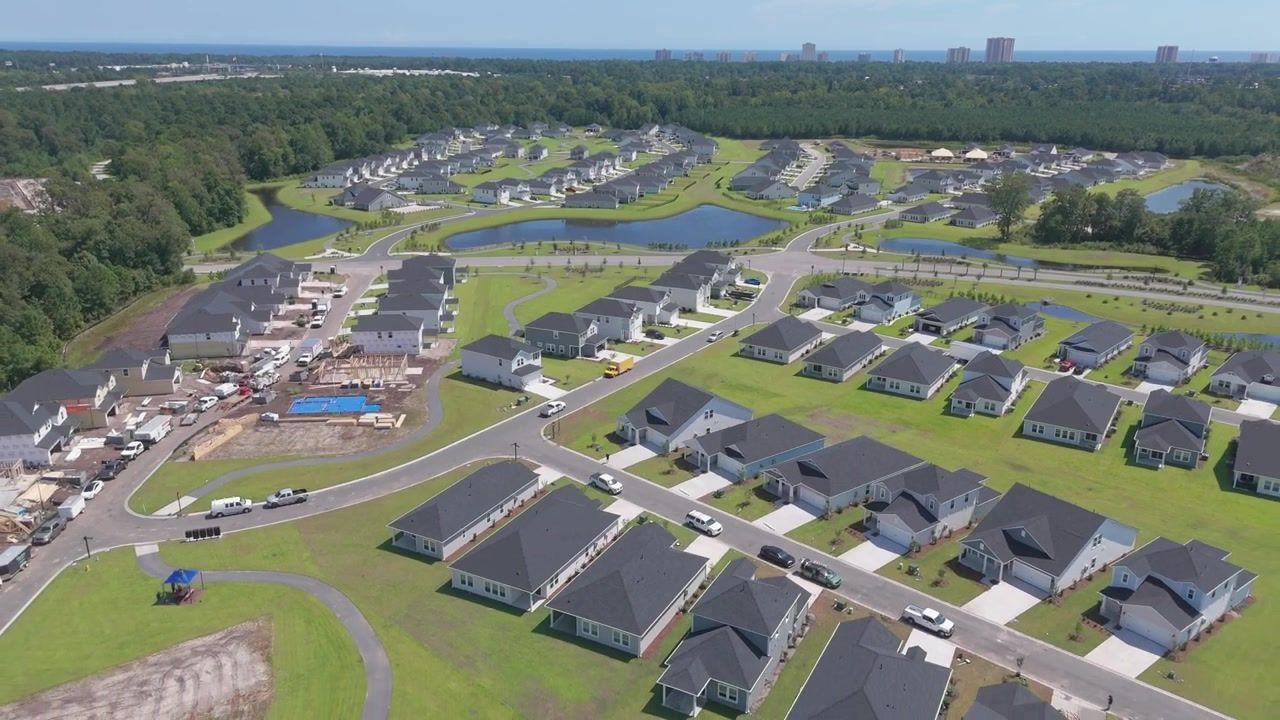
Second, you're in areas that are still developing. Some of these communities are complete, with every lot sold and every home occupied. Others are mid-build, with construction crews working on new phases and roads that dead-end into future sections. That means noise during the day, dust when it's dry, and the occasional detour while they finish infrastructure. It also means your neighborhood will look different in two years than it does today, which can be a positive or a negative depending on your tolerance for change.
Third, you're not getting resort-style amenities. A few of these communities have a pool or a small clubhouse, but most don't. You're buying a house, not a lifestyle package. If you want a fitness center, a lazy river, and organized social events, you're looking at a different price point and a different type of community. These neighborhoods are designed for people who want a good home in a good location at a good price, not a country club experience.
Fourth, resale timelines can be longer. When you're in a less-established area, it takes longer to sell when the time comes. Buyers gravitate toward the beach, toward established neighborhoods, and toward areas they already know. That doesn't mean these homes don't appreciate, they do, but it means you need to plan for a longer holding period if you're thinking about this as a short-term investment.
Finally, you're dealing with builder timelines. If you're buying pre-construction or early in a phase, your move-in date is an estimate, not a guarantee. Weather delays happen. Supply chain issues happen. Inspections take longer than expected. If you need to be in your home by a specific date, you need to build in buffer time or look at inventory homes that are already complete.
None of these trade-offs are deal-breakers. They're just realities. The buyers who do best in these communities are the ones who go in with clear priorities and realistic expectations. They know what they're getting, what they're giving up, and why the math works for them.
Which Area Fits Your Priorities
Choosing between these communities comes down to what you're optimizing for. If your top priority is price, you're looking at the neighborhoods farthest from the beach and closest to the highway corridors that connect Myrtle Beach to Conway and the inland suburbs. These areas give you the most house for the least money, but they also put you fifteen to twenty minutes from the ocean on a good day, and longer when traffic picks up in summer.
If your priority is beach access, you're looking at communities that sit closer to the coast, even if that means a smaller lot or fewer upgrade options. These neighborhoods put you ten minutes from the sand, which is the sweet spot for people who want regular beach access without paying oceanfront prices. You're still inland, but you're close enough that the beach becomes part of your routine instead of a special trip.
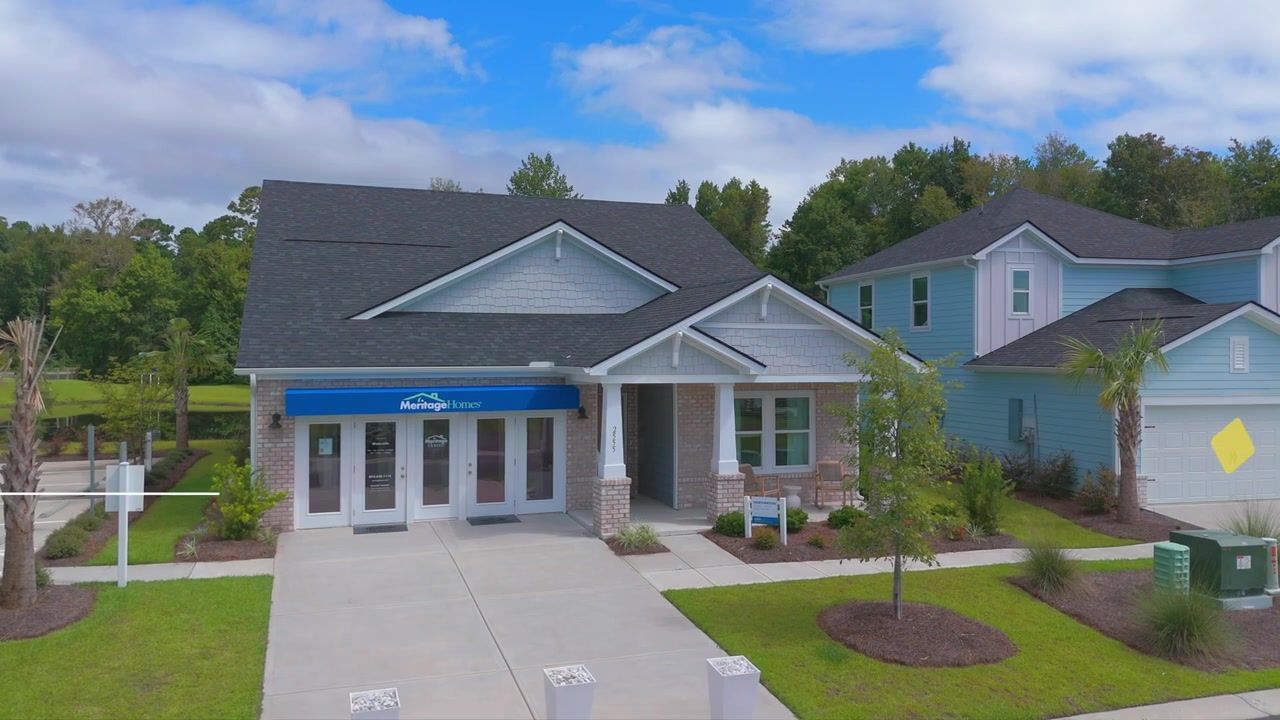
If you care about resale value and long-term appreciation, you're looking at communities with strong builder reputations, completed infrastructure, and proximity to amenities that buyers will want five or ten years from now. That means neighborhoods near good shopping, easy highway access, and established parts of the market where demand stays consistent even when the broader market softens.
If you want a quieter, more residential feel, you're looking at communities that are set back from the main roads and designed with families in mind. These neighborhoods have sidewalks, green space, and a layout that encourages people to stay in the community instead of just sleeping there. They're not flashy, but they're comfortable, and they tend to attract buyers who plan to stay for a while.
If you're relocating for work or need to be near specific parts of the Grand Strand, your decision is driven by commute time and access to the areas you'll be spending time in. Myrtle Beach sprawls, and a ten-minute difference in location can mean a thirty-minute difference in your daily drive. Map out your regular destinations before you commit to a community, because proximity to the beach doesn't always mean proximity to everything else you need.
The best way to narrow your options is to visit in person. Walk the neighborhoods. Drive the routes you'll be driving every day. Sit in traffic at rush hour and see what it feels like. Talk to people who already live there. Ask about noise, about construction timelines, about what the builder promised versus what actually got delivered. The more information you gather, the clearer your decision becomes.
Conclusion
The most affordable new construction near Myrtle Beach isn't hiding. It's just not where most buyers think to look. It's inland, in neighborhoods that are still being built, in communities that prioritize value over luxury and proximity over prestige. It's for buyers who want a new home, a short drive to the beach, and a price that doesn't require a second mortgage or a trust fund.
These homes won't show up in glossy resort brochures. They won't have ocean views or private beach access. What they will have is solid construction, modern systems, and a location that lets you live near the coast without spending like you're on the coast. For a lot of buyers, that's exactly the right trade-off.
If you're serious about relocating to Myrtle Beach and you want to see what's actually available in this price range, let's talk. I can show you the communities that fit your budget, walk you through the builder options, and help you understand what you're getting into before you sign anything. This market moves fast, and the best lots in these neighborhoods don't last long. Let's make sure you're looking at the right places and asking the right questions.
FAQ
What does "affordable new construction" actually mean in Myrtle Beach?
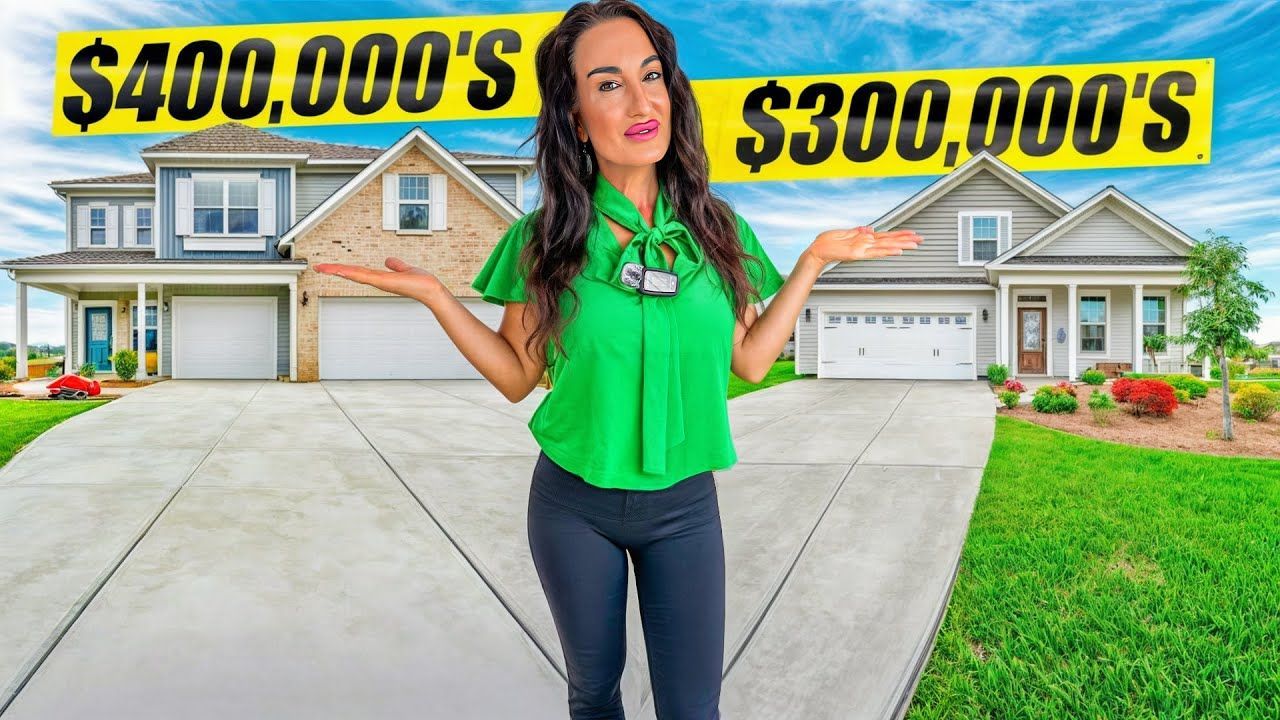
Affordable new construction in this market typically means homes priced in the low-to-mid three-hundred-thousand-dollar range, depending on size, finishes, and location. You're getting a brand-new home with a warranty, modern systems, and the ability to customize finishes, all without the premium price tag that comes with oceanfront or resort-style communities. These homes are designed for buyers who want value and proximity to the beach without paying for luxury amenities they won't use.
How far is "minutes from the beach" in these communities?
Most of these neighborhoods sit ten to fifteen minutes from public beach access by car, depending on traffic and which part of the Grand Strand you're heading to. You're not within walking distance, but you're close enough that beach trips become a regular part of your routine instead of a special occasion. Summer traffic can add time, but you're still looking at a short, manageable drive that doesn't require planning your whole day around getting to the water.
Are these homes in established neighborhoods or still under construction?
Many of these communities are mid-build, with some phases complete and others still under development. That means you might see construction activity, roads being finished, and landscaping that's still maturing. Some buyers prefer move-in-ready inventory homes in completed sections, while others are comfortable buying pre-construction and waiting for their home to be built. Both options exist, and your timeline will determine which makes more sense for you.
What are the biggest downsides to buying in these areas?
The main trade-offs are distance from the beach, limited walkability, and fewer resort-style amenities compared to higher-priced communities. You're also in areas that are still developing, which can mean construction noise and evolving infrastructure. Resale timelines can be longer in less-established neighborhoods, and builder schedules aren't always predictable. These aren't deal-breakers, but they're realities you need to factor into your decision.
Can I customize finishes in these new construction homes?
Most builders in this price range offer a selection of finishes and upgrades that you can choose before construction is complete. You're not getting unlimited options, but you'll typically have choices for flooring, countertops, cabinetry, and fixtures. The earlier you get involved in the process, the more flexibility you'll have. Inventory homes that are already built come with finishes already selected, but they're often priced to move and can close faster.
Do these communities have HOAs, and what do they cover?
Many of these neighborhoods have homeowners associations, though fees and services vary widely. Some HOAs cover basic landscaping and road maintenance, while others include access to a community pool or clubhouse. Fees are typically lower than what you'd find in resort-style communities, but you'll want to review the covenants and restrictions before you buy to understand what's included and what rules apply to your property.

Cris & Alysia
A husband-and-wife team with a passion for helping people find their perfect home in sunny Myrtle Beach. Together, we bring decades of experience, a whole lot of heart, and a shared commitment to making real estate an exciting, stress-free journey for our clients.
LATEST VIDEOS
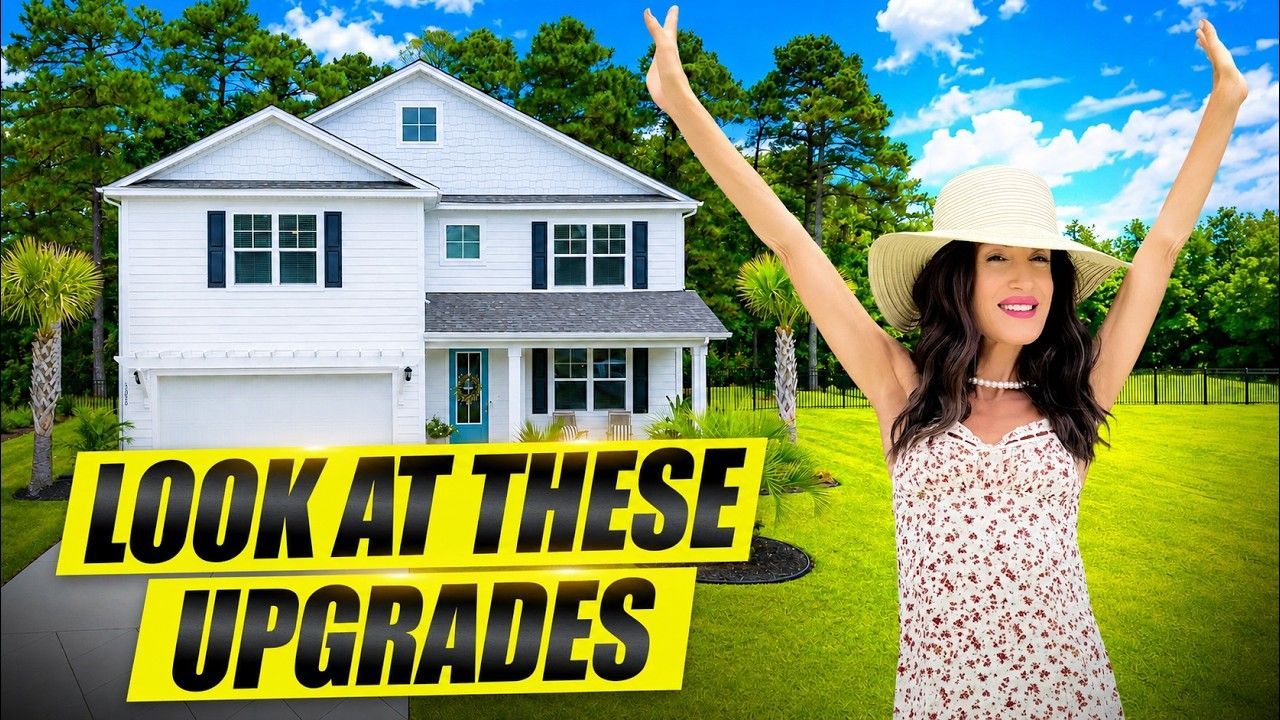
New Construction Home In Myrtle Beach SC: A Huge Upgraded Carolina Forest Home With Resort Amenities