The Truth About Living in Market Common Myrtle Beach: Walkability, Lifestyle & Trade-Offs
Walk out your front door and grab coffee. Stroll to dinner without starting your car. Let your dog run at the park while you actually talk to neighbors whose names you know. Market Common delivers that rare thing in Myrtle Beach: a neighborhood where your feet work as well as your car keys. It is not the beachfront postcards or the golf-resort developments that dominate the Grand Strand's reputation. It is something closer to what people picture when they say they want "community" instead of just a house.
But walkability comes with trade-offs, and I have watched enough buyers fall for the idea of Market Common without asking the harder questions. Traffic patterns here do not match the rest of Myrtle Beach. Housing options tilt toward certain styles and price points, which means this place fits some lifestyles beautifully and others not at all. The amenities are real, the location is central, and the vibe is distinct, but you need to know what you are signing up for before you commit.
This is the full picture: what makes Market Common one of the most popular communities in the area, where it falls short, and how to figure out whether it matches the life you are actually trying to build here.
Table of Contents
- What Makes Market Common Different from the Rest of Myrtle Beach
- Walkability and Lifestyle: Restaurants, Shopping, and Parks
- Location and Traffic: Central Access with Real Congestion
- Housing Options and What to Expect When Buying Here
- The Cons You Need to Know Before You Fall in Love
- Which Buyers Fit Market Common Best
What Makes Market Common Different from the Rest of Myrtle Beach
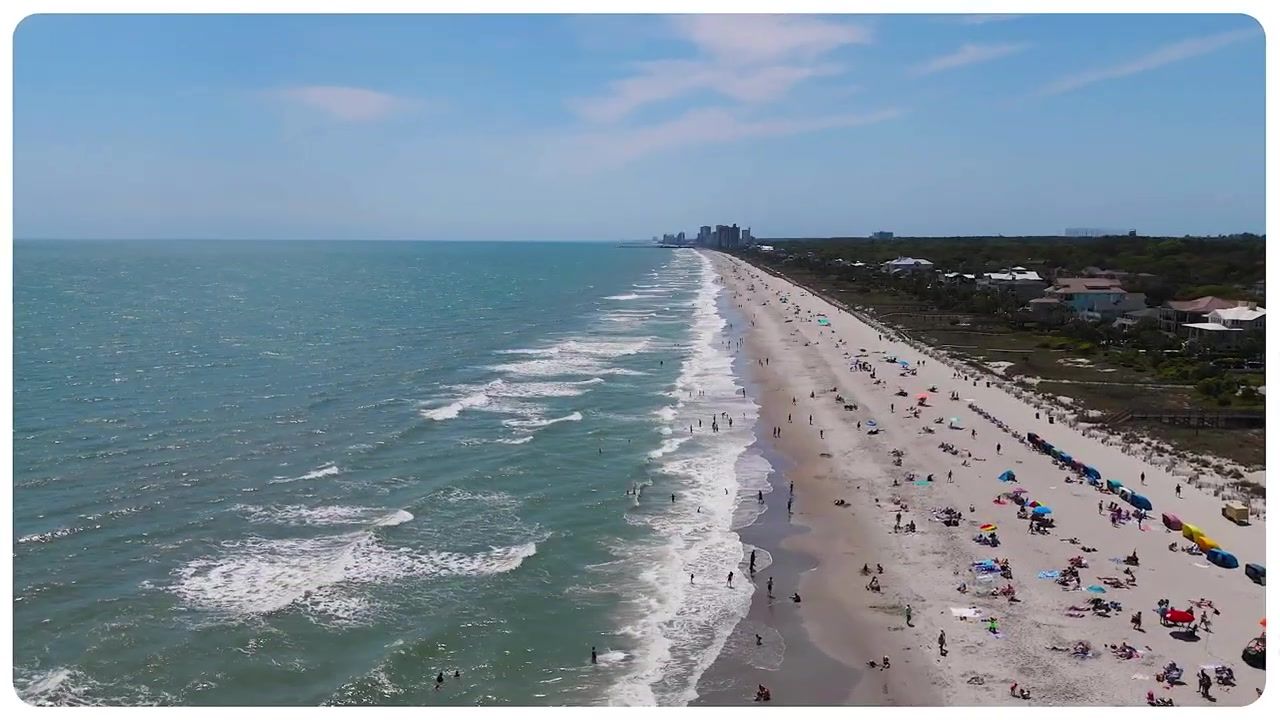
Myrtle Beach is not known for walkable neighborhoods. Most of the Grand Strand is built around cars, wide roads, and developments where the grocery store is a ten-minute drive even if it is only two miles away. Market Common breaks that pattern. It was designed as a mixed-use community, which means residential, retail, dining, and green space all sit within a few blocks of each other. You can live here and actually use your legs.
The layout is intentional. Streets are narrow and tree-lined. Sidewalks connect everything. The central green space, the parks, and the retail district all feed into each other without forcing you onto a highway. It feels more like a small downtown than a suburban subdivision, and that is the point. The developers wanted to create a place where people would run into each other, where you would see the same faces at the coffee shop and the farmers market.
That design philosophy makes Market Common unique in this market, but it also makes it selective. If you want a big yard, a quiet cul-de-sac, or a house where your nearest neighbor is a hundred yards away, this is not your spot. The density is higher here, the lots are smaller, and the trade-off for walkability is proximity. You are close to everything, including other people.
Walkability and Lifestyle: Restaurants, Shopping, and Parks
The walkability is not theoretical. I have clients who live here and genuinely do not drive for days at a time. The retail and restaurant mix covers daily needs and weekend plans without requiring you to leave the neighborhood. You have grocery options, coffee shops, sit-down restaurants, casual spots, and enough variety that you are not eating the same thing every week.
The shopping is not mall-scale, but it is functional. You can handle errands, grab a bottle of wine, pick up a birthday gift, or meet a friend for lunch without getting back in your car. The restaurants skew toward mid-range and casual dining, with a few higher-end options mixed in. It is not fine dining, but it is more than chain restaurants. The variety is enough to keep it interesting if you live here full-time.
The parks are a big part of the lifestyle. The central green space hosts events, and the smaller parks scattered through the neighborhood give you places to walk the dog, let kids play, or just sit outside without driving somewhere. The community leans into that programming, farmers markets, concerts, holiday events, and people actually show up. If you want a neighborhood where you run into people you know, that infrastructure makes it easier.
But the walkability also means you are living in a busier environment. The retail district brings traffic, both foot and car. The restaurants and shops draw people from outside Market Common, especially on weekends. You get the energy of a downtown, but you also get the noise, the parking challenges, and the reality that your neighborhood is also a destination for other people.
Location and Traffic: Central Access with Real Congestion
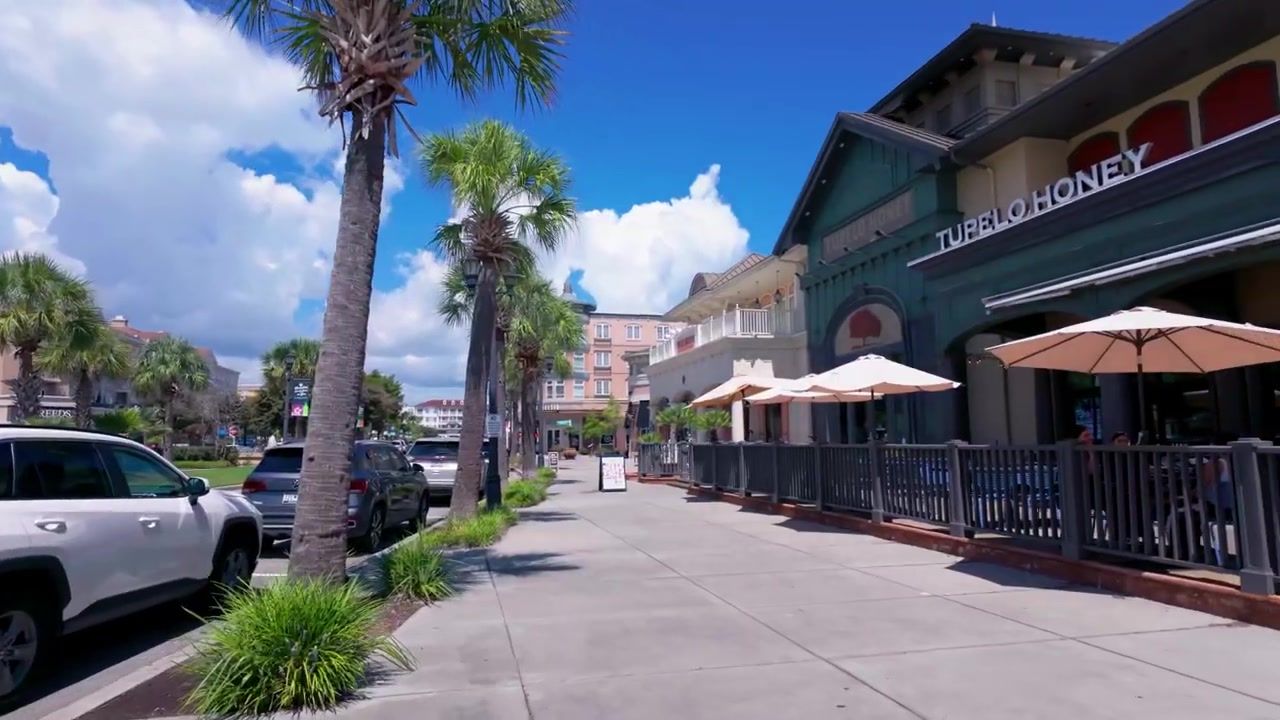
Market Common sits in the heart of Myrtle Beach, which gives you central access to the rest of the Grand Strand. You are close to the beach, close to the airport, close to Highway 17 and Highway 31. If you are commuting to North Myrtle Beach or heading south toward Murrells Inlet, you are starting from a spot that cuts time off most drives.
That central location is one of the biggest selling points, but it also puts you in the middle of Myrtle Beach traffic. Farrow Parkway, which runs along the edge of Market Common, is a major artery. It gets congested during rush hour, and it gets worse during tourist season. If you are trying to get in or out of the neighborhood between 4:30 and 6:00 PM on a weekday, you will sit in traffic. If you are doing it in July, you will sit longer.
The internal streets in Market Common are slower and more pedestrian-friendly, but the trade-off is that getting onto the main roads can take time. The traffic lights, the volume, and the mix of local and tourist traffic all add friction. You are not stuck in gridlock, but you are also not zipping around the way you might in a quieter part of the county.
For some buyers, that is fine. The central location is worth the traffic because it means you are close to everything. For others, especially people who are commuting daily or who value quick, easy access to highways, the congestion becomes a daily frustration. It is not a dealbreaker, but it is something you need to factor in.
Housing Options and What to Expect When Buying Here
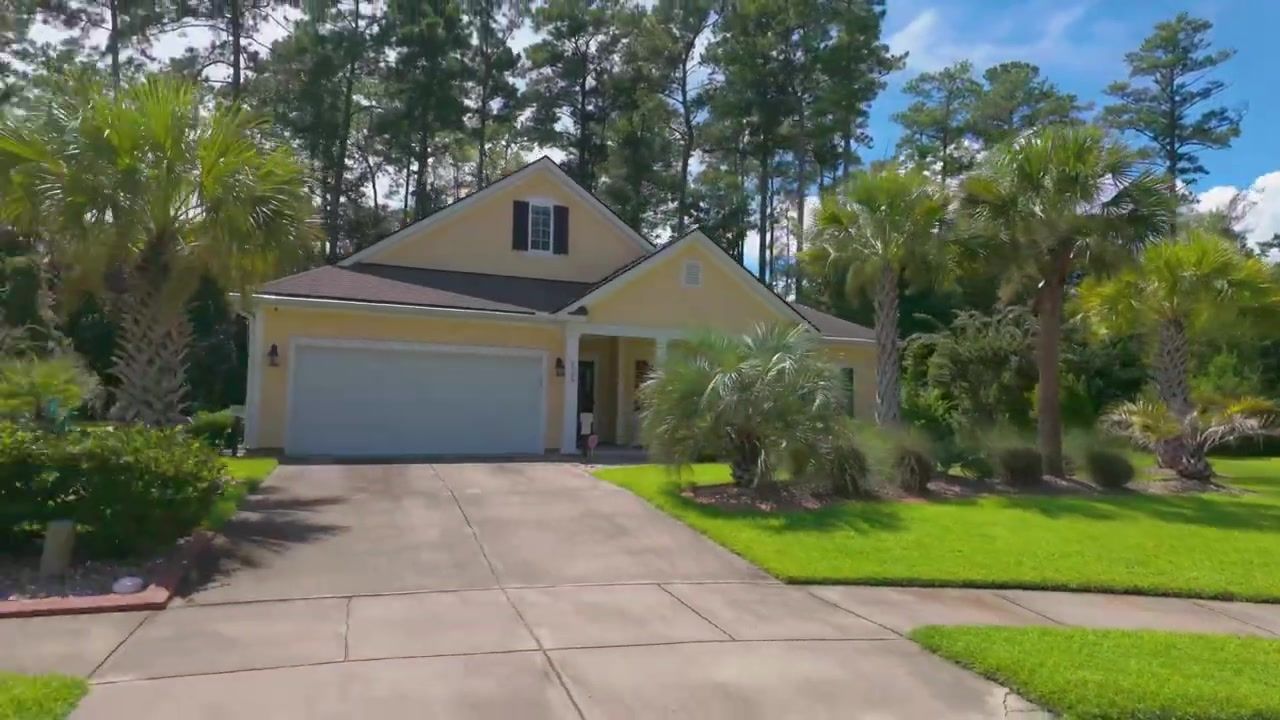
The housing in Market Common skews toward townhomes, condos, and smaller single-family homes. You will find some larger single-family properties, but the majority of the inventory is attached or semi-attached. Lot sizes are smaller, and the architecture is more uniform than you would see in a traditional subdivision. The style is coastal contemporary, with clean lines, modern finishes, and a focus on outdoor living spaces like patios and balconies.
Pricing reflects the location and the lifestyle. Market Common is not the most expensive area in Myrtle Beach, but it is not the most affordable either. You are paying for walkability, for the amenities, and for the central location. The price per square foot is higher here than in many other parts of the city, and the inventory moves quickly when it hits the market.
The HOA fees are another factor. The community maintains the parks, the landscaping, the common areas, and the infrastructure that makes the walkability work. Those services cost money, and the HOA fees reflect that. They are not outrageous, but they are higher than what you would pay in a neighborhood without the same level of shared amenities.
If you are looking for a big yard, a detached garage, or a house where you can spread out, Market Common is going to feel tight. The trade-off for walkability is density, and the housing stock reflects that. But if you are coming from a city, if you are downsizing, or if you value convenience over space, the housing options here make sense.
The Cons You Need to Know Before You Fall in Love
Market Common is popular for good reasons, but it is not for everybody, and I have seen buyers get frustrated when they do not ask the right questions upfront. The density is the first thing that surprises people. You are close to your neighbors. You hear them. You see them. If you value privacy and quiet, this is not the place.
The traffic is real. I covered the external congestion, but the internal traffic also picks up when the retail district is busy. People are walking, biking, driving slowly, looking for parking. It is not chaos, but it is not serene either. If you want to pull into your driveway and feel like you have left the world behind, Market Common will not give you that.
The parking can be tight, especially if you are in a townhome or condo. Guest parking fills up on weekends. Street parking is limited. If you have multiple cars or you are hosting people regularly, parking becomes a logistics problem.
The tourist season affects Market Common more than it affects neighborhoods farther from the center of Myrtle Beach. The restaurants get busier, the parks get busier, and the traffic gets worse. You are not living in a resort, but you are living in a place that tourists visit, and that changes the feel of the neighborhood from May through September.
Finally, the housing stock is limited. If you are looking for something specific, a certain layout, a certain price point, a certain style, you might wait months for the right property to come on the market. Inventory is tight here, and when something good lists, it moves fast.
Which Buyers Fit Market Common Best
Market Common works best for buyers who value convenience and community over space and privacy. If you want to walk to dinner, if you want to know your neighbors, if you want a neighborhood that feels alive, this is one of the few places in Myrtle Beach that delivers that experience.
It is a good fit for people downsizing from larger homes, for buyers coming from cities where walkability is normal, and for anyone who is tired of driving everywhere. It also works well for people who are semi-retired or working remotely, because the lifestyle here is built around being present in the neighborhood, not just sleeping there.
It is not a good fit for buyers who need a big yard, who want a quiet street, or who are trying to avoid tourist traffic. It is also not the right choice if you are looking for the lowest price per square foot or if you want a neighborhood where you rarely see your neighbors.
The lifestyle here is specific. It is not better or worse than other parts of Myrtle Beach, it is just different. If the trade-offs I have outlined sound like things you can live with, Market Common is worth a serious look. If they sound like dealbreakers, you will be happier in a different part of the area.
Frequently Asked Questions About Market Common Myrtle Beach
Is Market Common actually walkable for daily errands?
Yes. You can walk to grocery stores, coffee shops, restaurants, and parks without getting in your car. The layout is designed for pedestrians, and the sidewalks connect the residential areas to the retail district. It is one of the few neighborhoods in Myrtle Beach where walkability is functional, not just a marketing claim.
How bad is the traffic in and around Market Common?
Farrow Parkway gets congested during rush hour and tourist season. Internal streets are slower and more pedestrian-friendly, but getting onto the main roads can take time. If you are commuting daily or you value quick highway access, the traffic will be noticeable. It is not gridlock, but it is not smooth either.
What types of homes are available in Market Common?
Most of the housing is townhomes, condos, and smaller single-family homes. Lot sizes are smaller, and the architecture is coastal contemporary. You will find some larger single-family properties, but the majority of the inventory is attached or semi-attached. If you want a big yard or a detached house, options are limited.
Are HOA fees high in Market Common?
HOA fees are higher than in many other Myrtle Beach neighborhoods because the community maintains parks, landscaping, and shared amenities. The fees are not outrageous, but they reflect the level of service and infrastructure that makes the walkability work. You need to factor them into your monthly housing costs.
Does Market Common feel crowded during tourist season?
Yes. The restaurants, parks, and retail areas get busier from May through September. Traffic increases, parking gets tighter, and the neighborhood feels more active. You are not living in a resort, but you are living in a place that tourists visit, and that changes the feel of the community during peak season.
Is Market Common a good choice for retirees or families?
Market Common attracts a mix of buyers. The walkability and amenities appeal to people who are downsizing or semi-retired. The parks and community events also draw households with access to those amenities. The neighborhood is not age-restricted, and the lifestyle works for different stages of life as long as you value convenience and community over space and privacy.

Cris & Alysia
A husband-and-wife team with a passion for helping people find their perfect home in sunny Myrtle Beach. Together, we bring decades of experience, a whole lot of heart, and a shared commitment to making real estate an exciting, stress-free journey for our clients.
LATEST VIDEOS
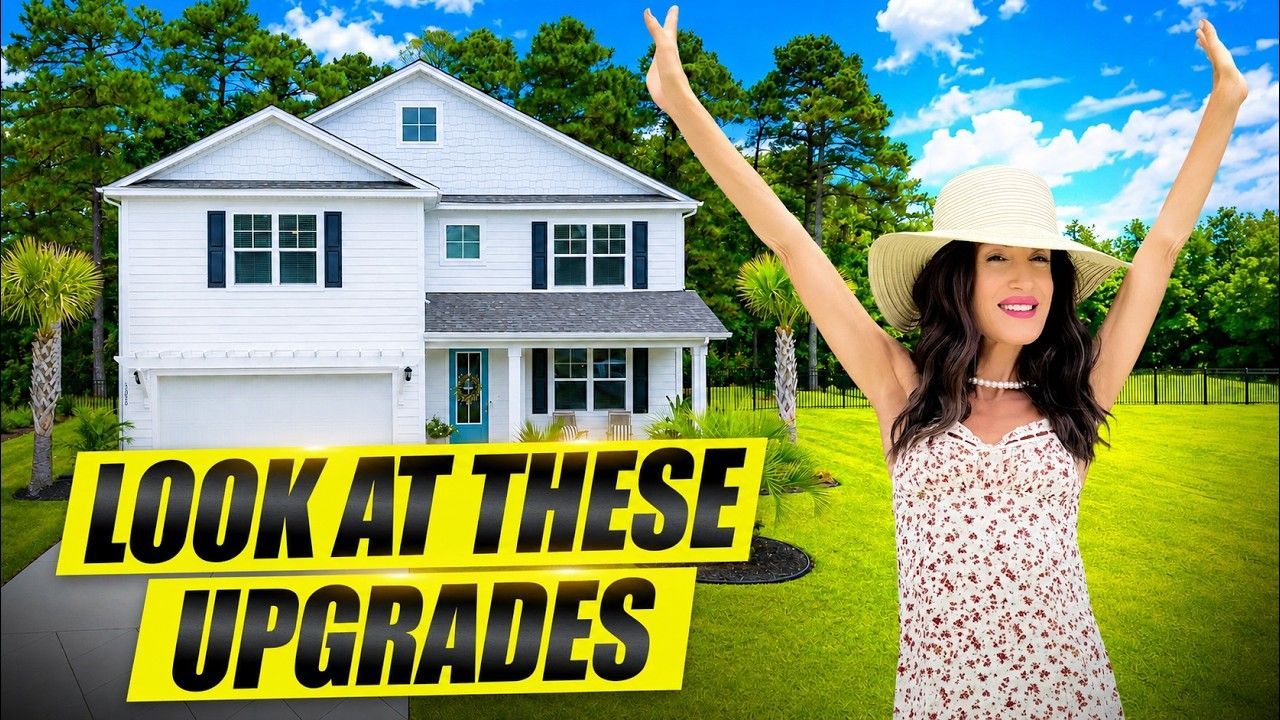
New Construction Home In Myrtle Beach SC: A Huge Upgraded Carolina Forest Home With Resort Amenities