Pros and Cons of Living in Myrtle Beach, SC
Table of Contents
- Introduction
- Weather and seasons
- Tourism, traffic, and bike weeks
- Beaches and outdoor life
- Housing options and prices
- Taxes and cost of living
- Healthcare and services
- Growth, construction, and loss of privacy
- Crime, perception, and local context
- Location advantages and regional access
- What to watch for when buying
- Final thoughts — balancing the pros and cons of living in Myrtle Beach, SC
- Bonus pro: why most people choose Myrtle Beach
- FAQs
Introduction
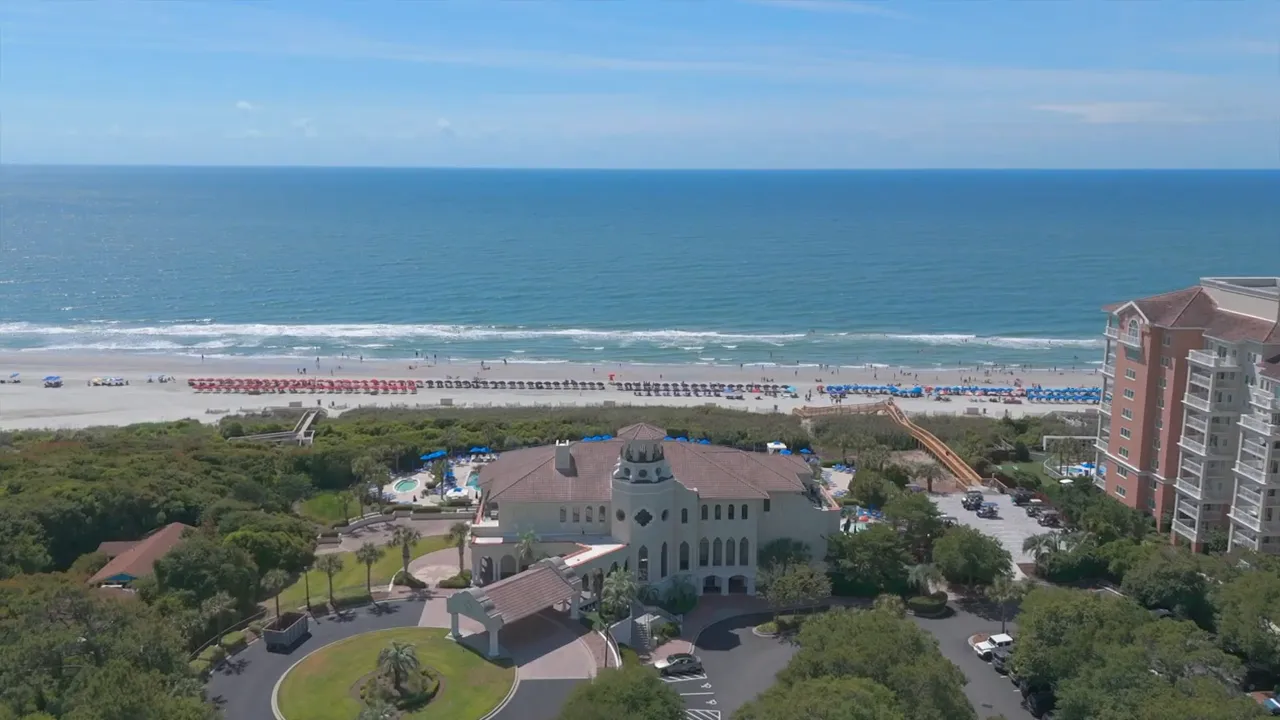
The pros and cons of living in Myrtle Beach, SC start with a promise: you can trade snow for sand and long winters for longer springs and falls. For many people who relocate here, that promise is the reason to move. But this is not just about warm weather and ocean views. The pros and cons of living in Myrtle Beach, SC involve a mix of lifestyle wins, seasonal headaches, tax surprises, and rapid growth that affects neighborhoods and housing choices.
VIEW MORE HOMES FOR SALE IN MYRTLE BEACH, SC
Weather and seasons
The weather is one of the biggest pros when weighing the pros and cons of living in Myrtle Beach, SC. Winters are short and mild. It is common to have days in January where you walk the beach with a warm breeze and sunny skies. The average winter temperature sits near the high 50s, and spring and fall are extended seasons of comfortable weather. That makes outdoor living easy for much of the year.
Summers get hot and humid—average highs can feel close to 90 degrees during peak months—but summer here is shorter than in deeper southern states. The shoreline, pools, lakes, and plenty of shaded parks give you many options for cooling off. If escaping long northern winters was your top priority, this is a major pro in the list of pros and cons of living in Myrtle Beach, SC.
Tourism, traffic, and bike weeks
Myrtle Beach is a top summer destination on the East Coast. Expect big visitor numbers: the Grand Strand welcomes millions of guests each year. June through August are the busiest months, and June is often the busiest single month for many families who plan long vacations.
The surge of visitors delivers energy and opportunity—restaurants stay busy, shops do well, and seasonal work is plentiful. On the flip side, heavy tourism brings congestion, longer restaurant waits, crowded attractions, and noise. That’s a consistent con to consider in the pros and cons of living in Myrtle Beach, SC.
Another seasonal event that creates divided opinions is bike weeks. These rallies bring hundreds of thousands of visitors and a spike in noise, congestion, and sometimes crime. Roads get hazardous due to large numbers of motorcycles, and the local police presence ramps up dramatically when rallies are in full swing. If you prefer quiet spring and fall weekends, bike weeks can be disruptive.
Beaches and outdoor life
One of the strongest pros in any list of pros and cons of living in Myrtle Beach, SC is the beach itself. The Grand Strand offers more than 60 miles of sandy coastline, and the beaches are clean, wide, and easy to reach from most neighborhoods. Living near the beach makes it easy to adopt a “vacation lifestyle” year-round—family days out, early morning walks, sunset views, and access to water sports and fishing.
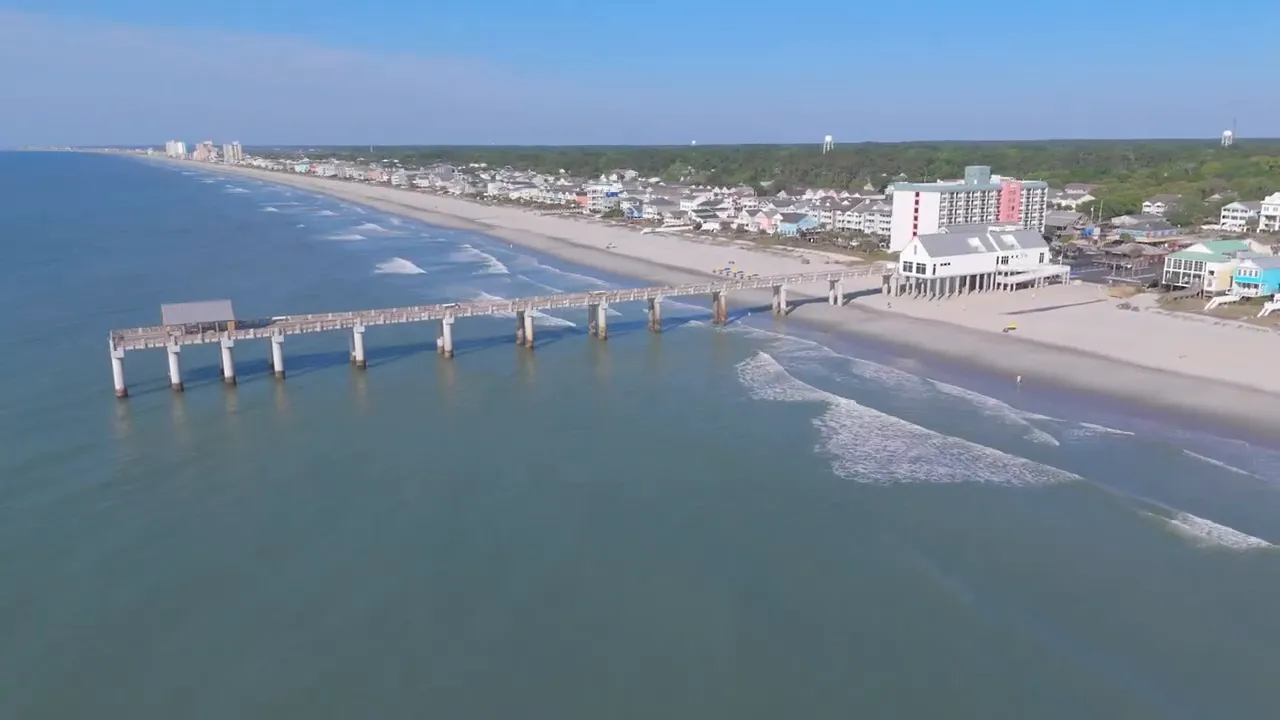
Locals often know the quieter residential beach accesses between the high-rise hotel zones—those spots tend to be less crowded and feel more like a neighborhood beach than a tourist destination. If you want variety, close-by beaches like Cherry Grove, Surfside, and Garden City offer different atmospheres, and some favorite stretches across the state line in North Carolina are only a short drive away.
Housing options and prices
Myrtle Beach presents a wide range of housing choices, which is a big pro for many buyers. You’ll find everything from modest condos to million-dollar beachfront homes, new gated communities with resort-style amenities, and traditional single-family neighborhoods. Condos can start in the low hundreds of thousands, while new construction communities often offer competitively priced single-family homes.
However, the market has been heating up. Over recent years, home prices have climbed significantly. That’s both a pro and a con: rising values help existing homeowners build equity, but they make it harder for first-time buyers to enter the market. When comparing the pros and cons of living in Myrtle Beach, SC, consider what matters more to you: affordability today or long-term appreciation potential.
Taxes and cost of living
One of the major reasons people relocate here is cost. The pros and cons of living in Myrtle Beach, SC tilt favorably when you compare cost of living and taxes to many northern metros. South Carolina does not tax Social Security benefits, and residents over 65 can qualify for substantial income deductions on retirement income. Property tax rates in the county are often well below national averages, which contributes to overall affordability.
There are some tax surprises to be aware of. South Carolina requires personal property tax on vehicles and recreational vehicles. You must pay these taxes annually before a vehicle registration is issued or renewed. The amount decreases as the vehicle depreciates, and in many cases you can deduct the personal property tax when filing federal returns. Still, it is an expense many newcomers don’t expect—so include it in your budget when comparing the pros and cons of living in Myrtle Beach, SC.
Another tax-related detail: the effective property tax rate is lower for primary residents than for second homes. Primary residences are taxed at a lower rate, while vacation or secondary homes are taxed higher. That can meaningfully change yearly costs if you plan to buy a second property.
Healthcare and services
Access to healthcare is often a high priority for relocators. The Grand Strand Regional Medical Center provides broad medical services and has received recognition for heart attack and stroke care. For retirees and families alike, the region supports a good range of medical, dental, and specialist services. That makes healthcare a clear pro when thinking through the pros and cons of living in Myrtle Beach, SC.
Growth, construction, and loss of privacy
Rapid growth defines the area. Myrtle Beach has been ranked among the fastest growing cities in the country. That growth brings new roads, schools, hospitals, and commercial development—necessary infrastructure improvements that are a plus. But growth also creates constant construction, cleared woods turning into neighborhoods, and smaller lot sizes in many new developments.
If you buy in a new community, be vigilant about future development plans. A peaceful backyard facing wooded land today may face a neighboring subdivision next year. For many people, the balance between new amenities and loss of privacy shapes their view of the pros and cons of living in Myrtle Beach, SC.
Crime, perception, and local context
Headlines sometimes label Myrtle Beach as risky, but those claims need context. The region is a broader tourism area composed of multiple towns and neighborhoods. The official city population can be relatively small, while each year the area hosts millions of visitors. This mismatch between resident population and visitor count can skew per-capita crime statistics and public perception.
Many bigger cities have higher violent crime rates per resident, but they do not receive the same sensational coverage as tourist destinations. Locals learn which areas to avoid during peak tourist seasons, and common-sense safety practices reduce most risks. When weighing the pros and cons of living in Myrtle Beach, SC, think in terms of neighborhoods and timing rather than blanket labels.
Location advantages and regional access
Myrtle Beach is centrally located on the southeastern coast, which is a major pro for people who want easy road trips and regional travel. Charleston is a little over an hour away, Wilmington and other North Carolina destinations are a short drive, and Savannah or Hilton Head can be reached in a few hours. The local airport offers direct flights to many cities, and short hops to larger airports make long-distance travel accessible.
For anyone who needs regular trips back north, driving to family or business hubs is straightforward. For those with pets or who prefer to avoid air travel, the driveable distance to nearby states is a real advantage—another item that shows up among the most compelling pros and cons of living in Myrtle Beach, SC.
What to watch for when buying
- Check building plans and covenants — Learn where developers can still build around your property.
- Understand tax status — Primary vs secondary residence affects your property tax rate.
- Consider flood and insurance needs — Coastal living has insurance implications that vary by location and elevation.
- Visit in peak and off seasons — See how traffic, noise, and local life change between summer and winter.
Ready to talk through your move and get personalized guidance? Schedule a free, no-pressure consultation so we can answer your questions, review neighborhoods, and plan a home tour that fits your needs.
Schedule a one-on-one Zoom with us to set up a time that works for you. In a short, free (no-pressure) session—typically 20–30 minutes—we'll answer your questions, review neighborhoods and housing options that match your needs, discuss budget and timeline, and recommend next steps or schedule an in-person tour if you'd like. We can accommodate most time zones and will send a calendar invite with Zoom details once you book.
Final thoughts — balancing the pros and cons of living in Myrtle Beach, SC
Here are the main pros that keep people moving to the Grand Strand:
- Shorter winters and long springs and falls
- Low cost of living and favorable tax benefits for retirees
- Varied housing options and growing amenities
- Outstanding beaches and outdoor lifestyle
- Proximity to other cities and easy regional travel
And the primary cons many residents mention:
- Seasonal congestion and busy summer months
- Large events like bike weeks that cause noise and traffic
- Annual vehicle personal property taxes
- Rapid development, smaller lots, and construction
- Perception of crime that requires neighborhood-level understanding
Bonus pro: why most people choose Myrtle Beach
The single biggest reason people relocate here—and the bonus pro among the pros and cons of living in Myrtle Beach, SC—is the lifestyle value. You get an affordable place to live that feels like a vacation home without paying constant travel costs. For families, retirees, golfers, and anyone who loves the coastline, Myrtle Beach combines beaches, golf courses, parks, and leisure options with tax advantages and a lower overall cost of living. That combination makes owning a primary home and keeping vacations local a realistic, daily experience.
Ready to make the move or want a local expert to guide your search? Call or text us at 833-867-4376 and we'll set up a free, no-pressure consultation. We're happy to answer questions, schedule a tour, or walk you through listings and financing options.
Download Our FREE Myrtle Beach New Construction Guide
FAQs
Is the weather in Myrtle Beach warm year-round?
Winters are mild compared with northern states; average winter temperatures are around the high 50s. Spring and fall are long and pleasant. Summers are hot and humid but shorter than in Florida.
How busy does Myrtle Beach get during the summer?
Summer is the busiest season, with millions of visitors from June through August. Expect congestion in tourist areas, longer restaurant waits, and busier attractions during those months.
Are there quiet beaches or less crowded spots?
Yes. Residential beachfront access points between the high-rise hotel zones often feel quieter. Nearby beaches like Cherry Grove, Surfside, and Garden City can also provide a less-crowded experience.
What about taxes—are property taxes high?
Property tax rates in the county are generally lower than the national average. Primary residences are taxed at a lower effective rate than secondary or vacation homes. South Carolina also offers significant tax benefits for retirees.
Do I need to pay taxes on my car every year?
Yes. South Carolina requires annual personal property taxes on vehicles and recreational vehicles. These taxes must be paid to register or renew registration, and the amount typically declines as the vehicle depreciates.
Is Myrtle Beach safe to live in?
Safety varies by neighborhood and season. Headlines can exaggerate risk because tourist numbers inflate per-capita metrics. Many parts of the area are safe and family oriented; use local knowledge and common-sense precautions.
What should I consider when buying in a new community?
Check future development plans and preserved land maps. Builders often build close together in popular areas, and wooded lots can be cleared later. Learning where developers can build is crucial to protect privacy and long-term enjoyment.
Why do people recommend Myrtle Beach for retirees?
Affordable cost of living, tax breaks on retirement income, low property taxes for primary residents, mild climate, and access to healthcare make the area attractive for retirees.

Cris & Alysia
A husband-and-wife team with a passion for helping people find their perfect home in sunny Myrtle Beach. Together, we bring decades of experience, a whole lot of heart, and a shared commitment to making real estate an exciting, stress-free journey for our clients.

LATEST VIDEOS



New Construction Home In Myrtle Beach SC: A Huge Upgraded Carolina Forest Home With Resort Amenities