Why Move to Myrtle Beach, SC: Affordable Living, Beachfront Life & More
Table of Contents
- Introduction
- 1. Nearby Towns to Myrtle Beach: Get More House for Your Money
- 2. Local Resident Discounts in Myrtle Beach: Save Big at Attractions
- 3. Myrtle Beach Property Tax: What You Need to Know About Vehicle Taxes
- 4. Myrtle Beach State Park: The Hidden Beachfront Gem in SC
- 5. The Laidback Pace of Myrtle Beach: Slow Living with Big Benefits
- 6. Cost of Living in Myrtle Beach, SC: Housing, Taxes & More
- 7. Resident Parking Decals in Myrtle Beach: How to Get Free Parking
- 8. Low Property Taxes in Myrtle Beach: Saving on Real Estate
- 9. Crime in Myrtle Beach: Understanding Safety Beyond the Numbers
- 10. Myrtle Beach Schools: Education Options from K-12 to College
- 11. New Construction in Myrtle Beach: Take Advantage of Builder Incentives
- 12. Myrtle Beach Traffic: What You Need to Know About Getting Around
- 13. Myrtle Beach Weather: Sunny Days, Short Winters, and Warm Summers
- 14. Dog-Friendly Myrtle Beach: Bring Your Pup Along for the Fun
- 15. Retiree Benefits in Myrtle Beach, SC: Tax Breaks and Savings
- Final Thoughts on Moving to Myrtle Beach, SC
- FAQs
- Parting Thought
Introduction
Living in Myrtle Beach, SC is different from anywhere else on the East Coast. You get long stretches of white sand, surprisingly affordable housing compared to many coastal cities, and a local culture that values easy days over hurried ones. Below are 15 practical things to know before you make the move, plus local tips that save money and headaches once you arrive.
VIEW HOMES FOR SALE IN MYRTLE BEACH, SC
1. Nearby Towns to Myrtle Beach: Get More House for Your Money
Most people who move to the Grand Strand quickly learn that you do not have to live inside the Myrtle Beach city limits to enjoy the lifestyle. Towns like Conway, Little River, North Myrtle Beach, Longs, and Galivants Ferry each bring a different feel and price point. A simple rule of thumb applies: the further from the ocean, the lower the home price and the larger the lot.
Example: a new-construction five-bedroom, three-bath home in Galivants Ferry recently sold for roughly $50,000 less than the same build inside Myrtle Beach. In June 2024 the median sale price in Myrtle Beach was around $330,000, while Conway’s median hovered closer to $288,400. If square footage and yard size matter more than a five-minute walk to the sand, shop the surrounding towns.
2. Local Resident Discounts in Myrtle Beach: Save Big at Attractions
One underused perk for locals is resident discounts at many attractions. Presenting a local ID can slash admission or services; in some attractions locals get up to 50% off. Beyond the big-ticket savings, many restaurants and entertainment venues offer 10 to 20 percent discounts for residents.
Tip: search for "local residents Myrtle Beach discounts" online or ask the attraction directly. Carry proof of residency (driver’s license) if you plan to visit Broadway at the Beach, Ripley’s Aquarium, WonderWorks, or similar spots.
3. Myrtle Beach Property Tax: What You Need to Know About Vehicle Taxes
Unlike many states, South Carolina requires annual personal property taxes for motor vehicles and recreational vehicles. The tax must be paid before a license plate is issued or renewed, and taxes are due in the month shown on your registration tag.
How it works: the tax amount declines each year as the vehicle depreciates. A $20,000 car might incur roughly $200 in annual taxes in early years. A new truck or luxury vehicle will cost more initially but will drop over time. There are exemptions—disabled veterans and their spouses may qualify for vehicle tax exemptions if the vehicle is registered under their name.
4. Myrtle Beach State Park: The Hidden Beachfront Gem in SC
Myrtle Beach State Park is one of the best spots to escape the tourist-heavy sections of the Grand Strand. The park sits in an oceanfront maritime forest and offers a nature trail, educational programs, a fishing pier, and excellent surf fishing.
Camping is peaceful here: campsites are tucked under tall trees and overlook the shoreline. Entry fees apply, but an annual South Carolina state park pass (about $99) gives you unlimited access to all 47 state parks, which is a great value if you enjoy outdoor time year-round.
5. The Laidback Pace of Myrtle Beach: Slow Living with Big Benefits
The day-to-day tempo in Myrtle Beach is relaxed. Things move slower than a major metropolitan area—services like restaurants, DMV, and local shops can take a little longer. This is part of the charm: life here favors leisure and being outside.
Expect longer waits at times, especially in summer when tourism peaks. But if you moved here to lower stress, the slower pace will likely feel like a major upgrade. If you need occasional hustle and bustle, destinations like Barefoot Landing and Broadway at the Beach give you that energy without living in it every day.
6. Cost of Living in Myrtle Beach, SC: Housing, Taxes & More
Living in Myrtle Beach, SC is attractive partially because housing costs remain below the national average—about 32% lower as of mid-2024. The median sales price along the Grand Strand was around $328,000, while comparable coastal towns (for example, Hilton Head) show median prices much higher.
That said, not everything is cheaper. Utilities in the area run significantly higher than the national average, so factor that into your monthly budget. Groceries are roughly at the national average and dining out is generally affordable, which helps if you like to eat local.
7. Resident Parking Decals in Myrtle Beach: How to Get Free Parking
Residents with vehicles registered in Myrtle Beach who have paid city property taxes qualify for a resident parking decal. These decals are valid for two years and grant free parking in many city paid public parking spaces, on-street meters, and certain event parking at the convention center.
Requirements: proof that city property taxes have been paid and proof of residency. Keep in mind the decal does not apply to private lots or to the Pavilion parking garage.
8. Low Property Taxes in Myrtle Beach: Saving on Real Estate
One of the top reasons people relocate here is property tax relief. Horry County and the surrounding area have some of the lowest effective property tax rates in the country—average effective rate around 0.52%, well below the national average.
For primary residences, city and county taxes on real estate are effectively taxed at around 4 percent of the assessed value, and for secondary or vacation homes the rate is about 6 percent. Exact figures can vary because of assessment formulas, so check the county assessor’s resources for specifics. If taxes were a major pain where you lived before, Myrtle Beach likely feels like a reprieve.
9. Crime in Myrtle Beach: Understanding Safety Beyond the Numbers
Over the years Myrtle Beach has been singled out by some lists as risky based on per-capita statistics. Those numbers can be misleading here because the permanent resident population of the city is relatively small—under 35,000—while the region welcomes millions of visitors annually.
High tourist counts can skew crime-per-capita figures and create a perception problem. Reality: many areas of the Grand Strand are safe and family-friendly. Locals know which spots to avoid during peak summer nights. Use common-sense precautions, ask neighbors, and research neighborhood-level data rather than general headline statistics.
10. Myrtle Beach Schools: Education Options from K-12 to College
Horry County Schools is a large district that offers a range of programs: AP courses, STEM and arts tracks, vocational training, and vibrant extracurricular options. In addition to public and private schools, the area hosts Coastal Carolina University and Horry-Georgetown Technical College for higher education.
Many schools receive strong ratings and families moving into the area often find solid options for K–12 and beyond. If schools are a priority, review ratings for specific attendance zones and ask about upcoming school boundary changes when selecting a neighborhood.
11. New Construction in Myrtle Beach: Take Advantage of Builder Incentives
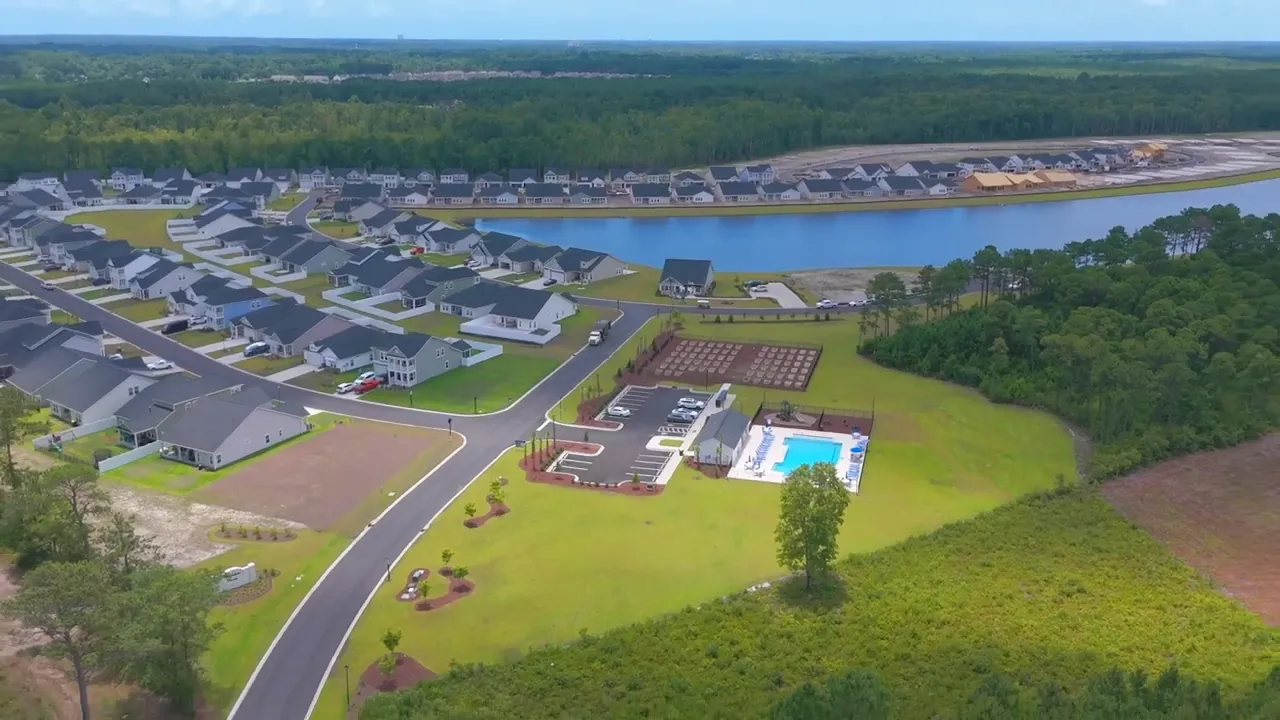
New subdivisions and communities are popping up fast. Builders like D.R. Horton, Toll Brothers, and local custom builders are active throughout the area. Because of competition, builders frequently offer incentives: paying closing costs, rate buydowns, and other financial perks that can make new homes as affordable as resales.
Strategy: work with agents who have direct builder contacts. Incentives can appear or disappear quickly, so having timely intel can save thousands. Also research community amenities and planned construction so you are not surprised by future development next door.
12. Myrtle Beach Traffic: What You Need to Know About Getting Around
Compared to major metro areas, Myrtle Beach traffic is moderate. Yes, there are congested corridors—Highway 501 is infamous during the summer—but overall daily commuting is far easier than in cities like New York. Special events and peak tourism weeks bring heavier traffic; plan trips around them if you can.
If you are relocating from a big city, expect a big quality-of-life improvement here. The trade-off is a slower pace in service businesses and occasional seasonal backups, but nothing close to regular multi-hour congestion.
13. Myrtle Beach Weather: Sunny Days, Short Winters, and Warm Summers
Winters are short and mild. Average winter temperatures sit in the upper 50s and the area enjoys roughly 215 sunny days annually. Spring and fall are long and pleasant with averages around the upper 70s. Summers are hot and humid—average around the 90s—but the season is shorter than Florida's.
Expect warm beach days well into spring and a temperate shoulder season in fall. Storm season exists—be mindful of hurricane preparedness—but for many people the climate is a major draw.
14. Dog-Friendly Myrtle Beach: Bring Your Pup Along for the Fun
The Grand Strand is surprisingly dog friendly. Many restaurants, breweries, and cafes welcome dogs on patios and some even provide water bowls and treats. Popular spots include Snookies on the Water, Mo'Moons, The Sneaky Beagle, 44 & King, Southern Pub, and Crooked Hammock Brewery.
Tip: always call ahead during peak season to confirm outdoor seating policies and any seasonal limits for pets.
15. Retiree Benefits in Myrtle Beach, SC: Tax Breaks and Savings
Myrtle Beach is consistently ranked among the top retirement destinations. South Carolina does not tax Social Security benefits and provides substantial income tax deductions for residents over 65—up to $115,000 on qualifying income depending on circumstances. Property tax rates are low and additional senior exemptions can reduce costs further.
There is also a tuition exemption for state colleges if you are 60 or older, which makes lifelong learning both accessible and affordable.
Download Our FREE Myrtle Beach New Construction Guide
Final Thoughts on Moving to Myrtle Beach, SC
When considering living in Myrtle Beach, SC, it helps to start the search early and think in terms of lifestyle, not just a house. If you prefer more space and lower prices, look beyond city limits. If proximity to nightlife and attractions is critical, buy inside the city and take advantage of resident perks like parking decals and local discounts.
Keep an eye on utility costs when budgeting, and remember that many of the intangible benefits—sunny days, ocean access, outdoor dining, and a slower pace—are what make life here appealing to so many new residents and retirees.
Ready for personalized guidance on neighborhoods, taxes, or new-construction incentives? Book a free Zoom call with us today and we'll walk you through your best options.
FAQs
Is it expensive to live in Myrtle Beach, SC?
Overall cost of living is lower than the national average, largely due to housing costs that are about 32 percent below the national average. Utilities tend to be higher, but groceries and dining are close to or below national norms.
Do I have to pay property tax on my car every year?
Yes. South Carolina requires annual personal property taxes on vehicles. The tax amount usually decreases each year as the vehicle depreciates. Exemptions may apply for disabled veterans.
Are there good schools in the area?
Horry County Schools offers a full range of programs including AP, STEM, and vocational training. Coastal Carolina University and Horry-Georgetown Technical College provide local higher education options. School quality varies by attendance zone—research specific schools when choosing a neighborhood.
Is it safe to live in Myrtle Beach?
Safety varies by neighborhood. Annual crime statistics can be skewed by the large tourist population. Many neighborhoods are family-friendly and safe; local knowledge helps you avoid spots that become rowdy during peak tourist nights.
Do locals get discounts at attractions?
Yes. Many attractions offer resident discounts; some places reduce admission by as much as 50 percent. Bring valid ID showing local residency to take advantage of these offers.
Parting thought
Living in Myrtle Beach, SC brings a mix of affordability, sunshine, and coastal lifestyle that appeals to families, remote workers, and retirees alike. Know the local tax rules, consider nearby towns for value, and enjoy the outdoor life—there is a reason so many people make this place home.
If you want help comparing neighborhoods or understanding taxes and incentives for new construction in the Grand Strand, reach out to local professionals who can provide up-to-date, neighborhood-level guidance.
Call or text us now at (833) 867-4376 to compare neighborhoods or get personalized guidance on taxes, incentives, and current new-construction deals.
READ MORE: Pros and Cons of Living in Myrtle Beach, SC

Cris & Alysia
A husband-and-wife team with a passion for helping people find their perfect home in sunny Myrtle Beach. Together, we bring decades of experience, a whole lot of heart, and a shared commitment to making real estate an exciting, stress-free journey for our clients.
LATEST VIDEOS
New Construction Home In Myrtle Beach SC: A Huge Upgraded Carolina Forest Home With Resort Amenities