Everyone Is Moving to Myrtle Beach in 2026… Here’s the REAL Reasons Why [TRUTH BEHIND THE BOOM]
Table of Contents
- Introduction
- Who is Moving to Myrtle Beach, SC
- What Buyers Are Looking for in Myrtle Beach, SC Real Estate
- Where People Are Settling in Myrtle Beach, SC
- Financial and Lifestyle Breakdown in Myrtle Beach, SC
- How to Explore and Plan Your Move to Myrtle Beach, SC
- Steps and Resources for Relocating to Myrtle Beach, SC
- FAQs About Moving to Myrtle Beach, SC
- Closing Thought: Why Myrtle Beach, SC is the Ideal Place to Live in 2026
Introduction
If you're moving to Myrtle Beach SC, the change you feel will be more than weather and sand. The metro area has quietly flipped from a place people left to a place people choose. In 2026 the inbound migration rate crossed a key threshold: roughly 53 percent of movers are arriving rather than leaving. That simple flip changes markets, builders, and the local economy.
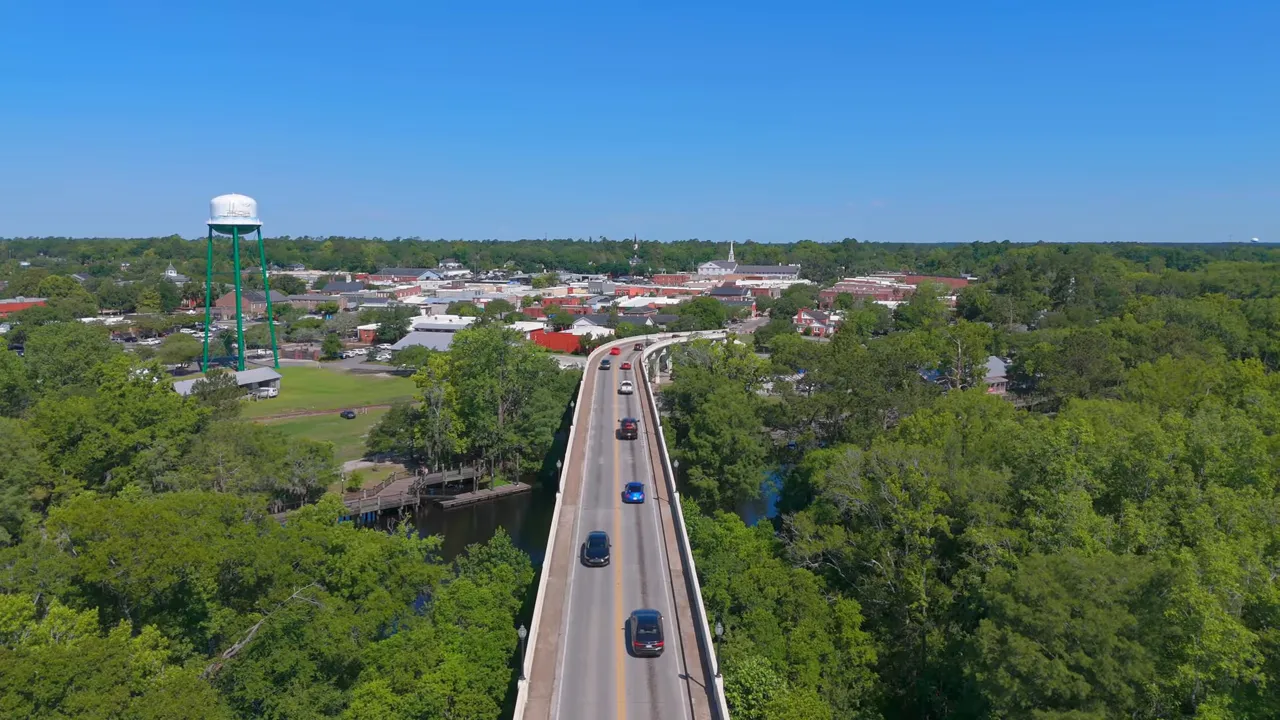
South Carolina has now held the top spot in net domestic migration for three straight years, and the Myrtle Beach metro—now pushing past 480,000 residents including Conway—has become the primary destination. Conway, once overlooked, is suddenly one of the fastest-growing places for builders because it provides what many buyers want: more space for less money and a short commute to the coast.
VIEW HOMES FOR SALE IN MYRTLE BEACH, SC
Who is Moving to Myrtle Beach, SC
There is a stereotype that only retirees and budget buyers move to coastal towns. That stereotype no longer fits Myrtle Beach. If you are moving to Myrtle Beach SC, expect a diverse mix: retirees still make up a big piece—roughly 35 to 40 percent are 65 and older—but nearly the same share are pre-retirees aged 45 to 64.
The surprise is the growth of remote workers and young families. Together those groups account for about 40 percent of inbound movers. More than 40 percent of new residents report household incomes above $150,000. This is a lifestyle-value market, not a bargain-basement migration.
Origin states are predictable and revealing. New York, New Jersey, and Pennsylvania still send the most newcomers—people are leaving city-level costs like taxes, congestion, and shrinking buying power. Florida itself has also become a top origin state, with buyers leaving parts of Central Florida and the Gulf Coast where insurance and density are pushing prices up.
What Buyers Are Looking for in Myrtle Beach, SC Real Estate
Most buyers coming to the area still want single-family homes. But demand for condos and townhouses in North Myrtle Beach and Surfside has jumped as short-term rental investors and snowbirds buy second homes. New construction is booming in Conway and Longs.
The buyer checklist has shifted from purely cosmetic to lifestyle and efficiency. The top requested features now are:
- Open layouts for flexible living
- Dedicated home offices for remote work
- Covered outdoor living such as screened patios
- Energy efficiency that reduces monthly expenses
Where People Are Settling in Myrtle Beach, SC
Different neighborhoods serve different versions of the same buyer: someone chasing more life and less stress.
- Myrtle Beach: energy, accessibility, and amenities.
- North Myrtle Beach: rentals, second homes, beach access.
- Carolina Forest: families and remote workers seeking space and schools.
- Market Common: walkability and lifestyle with shops and restaurants.
- Conway: affordability and rapid new-construction growth.
- Myrtle Beach Inlet and Pawleys Island: quieter retirement options.
Financial and Lifestyle Breakdown in Myrtle Beach, SC
If you're moving to Myrtle Beach SC for financial reasons, the numbers make a loud case. The local median home sits around $320,000—starkly lower than many Northeast and Florida coastal markets. Property taxes in the region are comparatively modest and the state offers tax advantages: no tax on Social Security and up to $10,000 in retirement income deduction for qualifying filers.
For some households the combination of housing, lower taxes, and reduced everyday costs means tens of thousands of dollars more in disposable income each year. Compare that to metropolitan New York City or higher-cost areas and people are seeing dramatic savings—sometimes approaching 90 percent in total cost-of-living comparisons for specific expense buckets.
Lifestyle isn’t sacrificed. The region offers 60 miles of coastline, hundreds of golf courses, and more than 300 sunny days a year. People are moving not to live less but to live better: more outdoor time, shorter commutes to recreational spots, and housing designed for modern work-from-home life.
How to Explore and Plan Your Move to Myrtle Beach, SC
If you are moving to Myrtle Beach SC, plan your search from two angles: lifestyle priorities and financial reality. Map proximity to beaches, commute times, school options, and builder activity. Many newcomers find the best value 15 to 25 minutes inland—closer to Conway—where you get larger lots and newer communities without beach premiums.
Prioritize energy efficiency and home office space if you work remotely. If rental income matters, focus on North Myrtle Beach and Surfside inventory. If affordability and future resale are priorities, watch Conway and Carolina Forest, where builders are rapidly expanding inventory to meet demand.
Steps and Resources for Relocating to Myrtle Beach, SC
Use interactive maps that compare space, price, and proximity to neighborhoods. Create a short list of nonnegotiables—number of bedrooms, commute time to your occasional office, outdoor space—and use that to filter neighborhoods. If you are moving to Myrtle Beach SC and considering a move in 2026, build your plan around lifestyle plus resilience: insurable property, energy efficiency, and flexibility for remote work or rental income.
Download Our FREE Myrtle Beach New Construction Guide
FAQs About Moving to Myrtle Beach, SC
Is Myrtle Beach only for retirees?
No. While retirees make up 35 to 40 percent of new arrivals, nearly the same share are pre-retirees and a large portion are remote workers and young families. The growth is broad-based across age and income groups.
How much do homes cost on average?
The average home is around $320,000, though prices vary widely by neighborhood and new construction. Inland communities and growing suburbs offer lower entry points than beachfront condos.
Where are most new residents coming from?
The top origin states include New York, New Jersey, Pennsylvania, and interestingly Florida as well. Many movers cite taxes, congestion, and insurance costs as deciding factors.
What neighborhoods should I consider for families or remote work?
Carolina Forest is popular for families and remote workers due to its space, schools, and newer homes. Market Common appeals to those wanting walkability and lifestyle amenities.
Is now a good time to invest or buy a primary home?
The market is evolving rather than closing. Demand is strong in targeted neighborhoods, so be prepared with clear priorities and financing. Focus on properties that balance energy efficiency, functionality for remote work, and upside through rental potential or resale.
Closing Thought: Why Myrtle Beach, SC is the Ideal Place to Live in 2026
The surge to Myrtle Beach is not a fad. It reflects a durable choice: people want more life for their money. If you are moving to Myrtle Beach SC, the opportunity is to pair lifestyle gains with smart financial planning—choose neighborhoods and home features that match how you live now and how you want to live in the future.
Ready to move to Myrtle Beach SC? Call or text us at 833-867-4376 to schedule a free, no-pressure consultation and get a personalized map tour of neighborhoods that match your budget and lifestyle. Prefer a quick strategy call? Book a 1‑on‑1 Zoom discovery session and we'll walk you through options and next steps.
READ MORE: Moving to Myrtle Beach: A Full Breakdown of the Pros, Cons, and Key Considerations

Cris & Alysia
A husband-and-wife team with a passion for helping people find their perfect home in sunny Myrtle Beach. Together, we bring decades of experience, a whole lot of heart, and a shared commitment to making real estate an exciting, stress-free journey for our clients.
LATEST VIDEOS
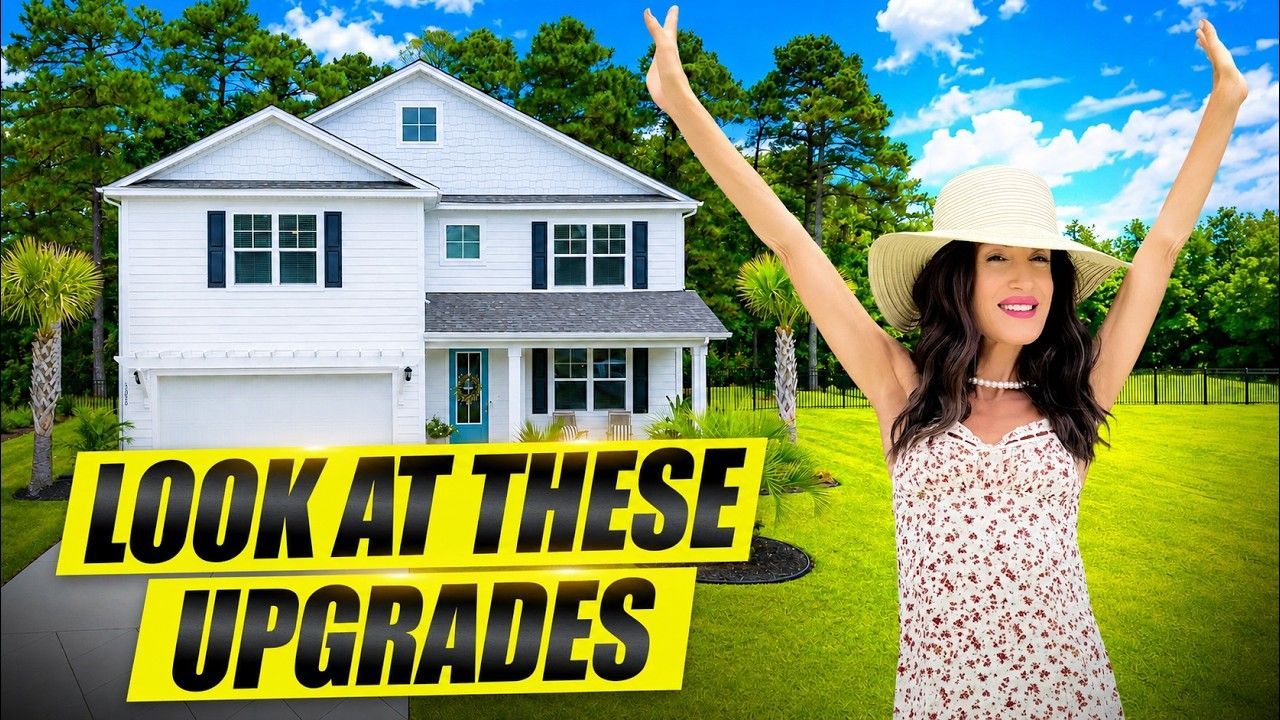
New Construction Home In Myrtle Beach SC: A Huge Upgraded Carolina Forest Home With Resort Amenities