Moving to Myrtle Beach: A Full Breakdown of the Pros, Cons, and Key Considerations
If you are weighing the pros and cons of living in Myrtle Beach, this guide lays out the real-life tradeoffs—what feels like paradise and what catches people off guard after the honeymoon phase. This is written for anyone wondering if the coastal lifestyle, lower cost of living, and Southern pace are worth the seasonal crowds, HOA rules, and coastal insurance realities.
Table of Contents
- Introduction: The Coastal Lifestyle in Myrtle Beach
- The Pros of Living in Myrtle Beach
- The Cons of Living in Myrtle Beach
- Bonus Pro: Myrtle Beach’s Cost of Living and Tax Relief
- How to Relocate Smarter to Myrtle Beach: A Three-Step Plan
- Practical tips before you make the move
- Who Thrives in Myrtle Beach: Is It Right for You?
- Final Take: Balancing the Pros and Cons of Myrtle Beach Living
- FAQs About About Living in Myrtle Beach
- Closing Thoughts on Relocating to Myrtle Beach
Introduction: The Coastal Lifestyle in Myrtle Beach
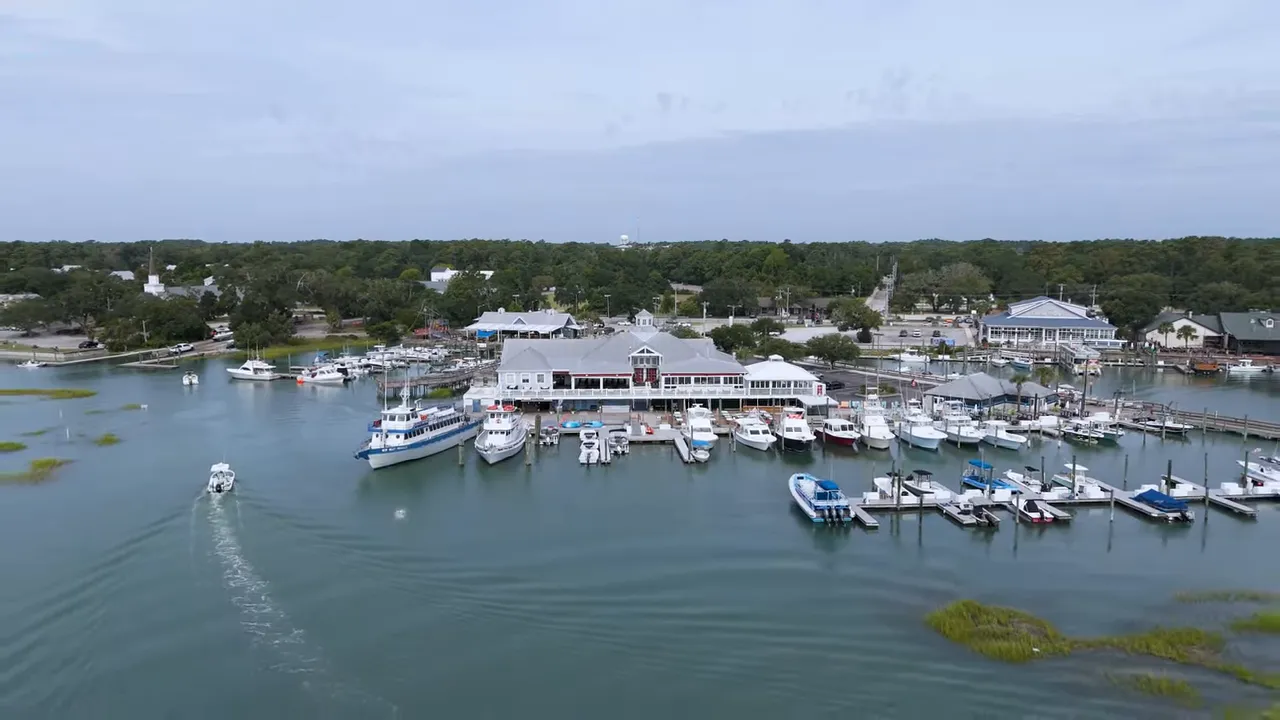
There’s a reason people dream about Myrtle Beach: miles of sandy shoreline, palm-lined streets, and a living rhythm that centers around the water. For many, the biggest single change is how simply the beach becomes part of daily life. No elaborate planning—if you want an ocean view with your coffee or a quick walk at sunset, it’s available on a whim.
The Grand Strand stretches roughly 60 miles from the Little River border in the north down toward the Georgetown area, which means coastal living isn’t a one-size-fits-all experience. Different neighborhoods have different "vibes"—some feel resort-like and busy, others relaxed and residential. Pick the vibe that matches your routine and you’ll find the beach becomes the backdrop to ordinary errands.
VIEW HOMES FOR SALE IN MYRTLE BEACH, SC
The Pros of Living in Myrtle Beach
Convenience and walkability
Convenience is one of the most underrated pros of living in Myrtle Beach. Neighborhoods such as Market Common offer exceptional walkability—shops, restaurants, theaters, medical offices, even big-box stores are just a stroll away. Some communities are golf-cart-friendly, too, so short trips to the beach or the grocery store can become charming daily rituals.
If low-stress daily life matters to you, this is a huge plus. You’ll cut down commute time for essentials and rebuild a routine around outdoor living rather than endless errands. For people relocating from high-traffic urban areas, the local congestion will feel mild by comparison.
Active lifestyle and community life
Myrtle Beach makes it easy to stay active. State parks, local farms, wineries, walking trails, and the beach itself keep calendars full. New neighborhoods often build activities organically—residents who move from elsewhere sometimes jump in and form book clubs, potlucks, restaurant nights, and fitness groups.
You don’t need to join a 55+ gated community to have an active social life. Communities here self-organize, and many people find a ready-made social network soon after moving. Expect potlucks, chili cook-offs, restaurant clubs, and weekly meetups as common community activities.
Homes for every budget
One of the strongest pros of living in Myrtle Beach is the breadth of housing options. Whether you want a condo by the beach, a modest single-family home inland, new construction, or acreage with a mobile home, there are price points that suit first-time buyers, families, and retirees.
- Condos and second homes: Popular for seasonal residents and investors.
- New construction: You can find brand-new homes in the low 300s in some areas.
- Resale single-family homes: Available across a wide price spectrum.
For folks moving from expensive markets, the contrast is dramatic. A median price around the mid 300s gives many buyers more living space and newer construction than they'd get for the same budget elsewhere.
Myrtle Beach as a base camp for travel
Location matters. Myrtle Beach is a practical midpoint if your family is spread across the Eastern Seaboard. It’s driveable to Florida, the Carolinas, and the Mid-Atlantic on weekend trips. Major highways make long drives possible without long nonstop slogging—perfect for "halfback" relocators who split time with northern states.
If you want weekend trips to Charleston, Savannah, Wilmington, or Mount Pleasant, Myrtle Beach is a convenient starting point. Keep in mind that reaching the I-95 corridor can add time, but once you’re on it, long-distance travel becomes straightforward.
The Cons of Living in Myrtle Beach
No place is perfect. The key to a smart relocation is balancing the pros and cons and planning for the things that are easy to miss on a brochure or photo tour.
Crowds and seasonal traffic
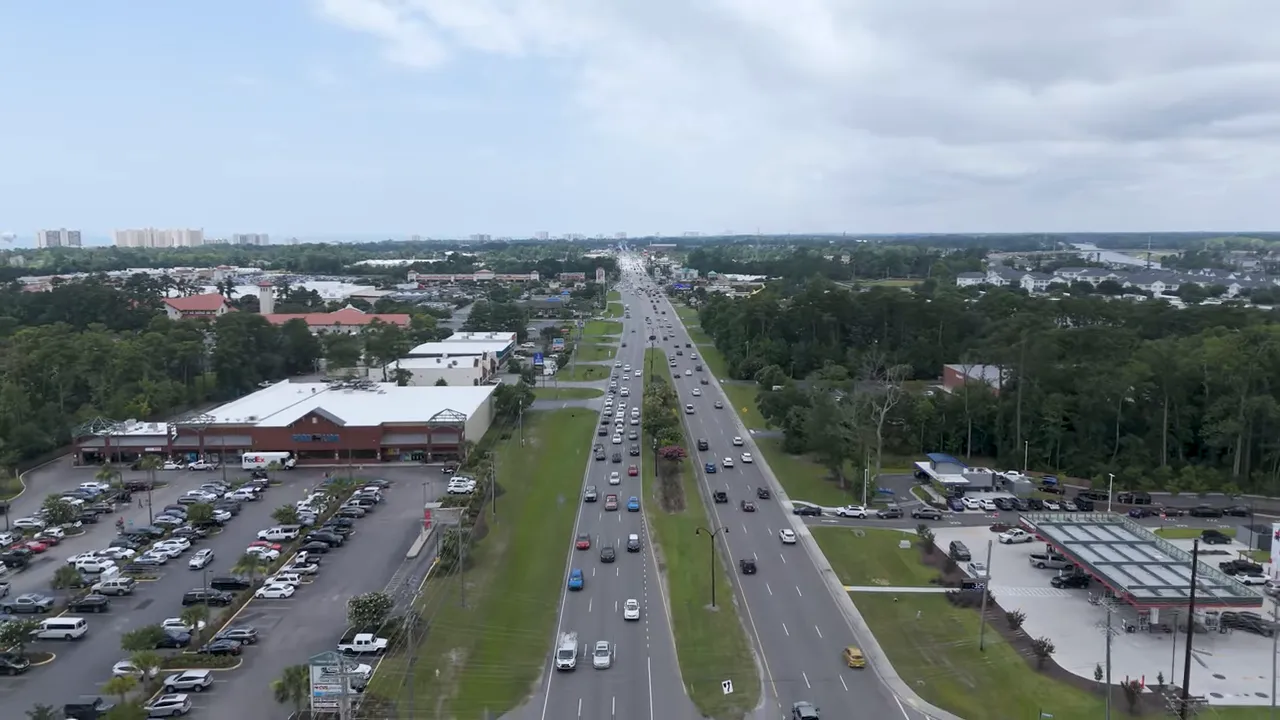
Tourist season changes everything. From late spring through summer, key corridors such as Ocean Boulevard, Highway 17, and US-501 fill with visitors. Parking near the beach can be a challenge at peak times, and neighborhood drives that feel quiet nine months of the year can get busy during holidays and school summer breaks.
For people who commute daily or shop on a schedule, summer congestion is a real consideration. Locals learn workarounds—alternate routes, changing schedules, and choosing quieter neighborhoods—but it’s a tradeoff for living in a high-appeal coastal destination.
Pocket-to-pocket neighborhood differences
Neighborhoods here move at different speeds. A few blocks can change everything: feel, rules, density, rental rules, and even the types of people you’ll meet. "Pockets" or "vibes" define your experience more than city limits do, which makes local guidance invaluable.
One common mistake is assuming all beach-adjacent neighborhoods are alike. If you want to walk your dog to the beach, or you want a quiet street at night, verify HOA rules and local ordinances. Some neighborhoods ban short-term rentals while others embrace them—which will affect noise, traffic, and community character.
Insurance and storm realities near the coast
Insurance often surprises newcomers. Wind, flood, and hail risks mean premiums vary dramatically—even between properties only a few blocks apart. Quotes can push monthly housing costs higher and even affect mortgage approval if premiums exceed debt-to-income limits.
Before writing an offer, get preliminary insurance quotes from local agencies. Ask about flood maps, supplemental flood insurance, and how wind/hail coverage is priced. These are personal decisions, but they should be made before committing.
HOA rules can be strict
Homeowners association rules vary widely, and they can be enforced aggressively. Rules about parking, motorcycles, rental terms, exterior colors, and outdoor decor are common and sometimes surprising to out-of-town buyers.
If a property is in an HOA, request rules and covenants early. A seemingly small rule can become a deal breaker—for example, if you expected to host frequent guests or use a property as a short-term rental, some buildings restrict that activity to specific towers or ban it altogether.
City tax plus county tax: property tax realities
Property taxes here include county tax and, if you live inside city limits, an additional city tax. It raises the annual bill, and people coming from other states sometimes get surprised when the first tax notice arrives.
Even with that extra city tax, many people relocating from high-tax states find Myrtle Beach much cheaper overall. The difference becomes especially obvious when comparing typical Northeast bills to South Carolina property tax amounts.
Bonus Pro: Myrtle Beach’s Cost of Living and Tax Relief
For many households the biggest deciding factor is monthly math. Lower property taxes and a generally lower cost of living mean retirement dollars stretch farther, mortgage payments buy more house, and day-to-day expenses are more manageable than in major coastal metro areas.
Example: homeowners who sold from high-tax states reported dramatic reductions in annual property tax bills after moving here. That money gets redirected into travel, hobbies, dining out, or savings—things that make the move feel worth it immediately.
How to Relocate Smarter to Myrtle Beach: A Three-Step Plan
Moving to Myrtle Beach is different than taking a vacation. Use a process that reduces surprises and helps you choose the right pocket for your life. A simple three-step approach reduces costly mistakes.
- Start with a one-on-one consultation. A focused conversation about your budget, timeline, lifestyle preferences, and must-haves helps rule out neighborhoods that won’t fit you.
- Map it out together. Share an on-screen mapping session showing where neighborhoods, services, beaches, and commute routes are. Seeing distance and layout removes guesswork.
- Use a target hot sheet. Organize listings and opportunities into a planned progression so you can go from discovery to decision without getting overwhelmed by options.
Practical tips before you make the move
- Drive the neighborhoods: Spend time at different hours of the day and during the week to understand traffic and noise patterns.
- Get insurance quotes: Ask multiple local agents about flood, wind, and homeowners policies before making an offer.
- Request HOA docs: If the property belongs to an HOA, request covenants, rules, and current financials early.
- Think long-term weather: Factor hurricane season and storm prep into your moving logistics and emergency plan.
- Plan for peak season: If you dislike crowds, choose a neighborhood a few blocks inland or north/south of tourist clusters.
Who Thrives in Myrtle Beach: Is It Right for You?
Myrtle Beach is ideal for people who value outdoor living, easy access to beaches, a lower cost of living, and community activities. It’s particularly attractive to retirees, remote workers, and families who prefer more space for the money.
People who require fast, frictionless urban transit every day, or who cannot tolerate seasonal noise and tourist traffic, may find some frustrations. But many of those concerns can be mitigated by careful neighborhood choice and planning.
Final Take: Balancing the Pros and Cons of Myrtle Beach Living
The pros of living in Myrtle Beach—coastal lifestyle, convenience, active community life, affordable housing options, and lower overall cost of living—are powerful and tangible. The cons—seasonal crowds, insurance complexity, HOA rules, and localized tax differences—are real but manageable with preparation.
If your checklist prioritizes outdoor access, community activities, and getting more house for your money, Myrtle Beach is worth serious consideration. Do the homework: drive the pockets, compare insurance quotes, read HOA documents, and map commutes. Those small steps turn good moves into successful ones.
Download Our FREE Myrtle Beach New Construction Guide
FAQs About About Living in Myrtle Beach
What are the biggest pros and cons of living in Myrtle Beach?
The biggest pros are coastal lifestyle, convenience, an active community, a wide range of housing at many price points, and a lower cost of living. The main cons are seasonal crowds and traffic, insurance and storm risk, neighborhood-specific rules and HOAs, and localized property tax differences.
How bad is the summer traffic and crowds?
Summer traffic peaks on Ocean Boulevard, US-17, and US-501 during holidays and school vacations. Locals learn alternate routes and timing; if you plan around peak hours or choose a less touristy pocket, congestion becomes manageable rather than a deal breaker.
Do homeowners need flood insurance in Myrtle Beach?
Flood insurance needs depend on the property's flood zone and mortgage requirements. Even if not mandatory, many homeowners buy supplemental flood coverage because storms can be unpredictable. Always get quotes from local agents before making an offer.
Are there affordable homes in Myrtle Beach?
Yes. There are condos, townhomes, and single-family homes across a wide price range, including new construction in the low to mid 300s. Many buyers moving from high-cost states find more living space for their budget.
How much will property tax hike my bill if I live inside Myrtle Beach city limits?
Living inside the city adds a small city tax on top of county taxes. It increases the annual bill, but even with that added cost many newcomers from higher-tax states still experience a net savings in property taxes overall.
What’s the one decision that makes people say they should have moved sooner?
Choosing the right neighborhood early—matching your preferred "vibe" to the right pocket—often leads to the happiest relocations. When people land in a neighborhood that fits their routine, they frequently say they wish they had moved earlier.
Closing Thoughts on Relocating to Myrtle Beach
The pros and cons of living in Myrtle Beach come down to selection and preparation. The lifestyle is irresistible for many, but the reality of coastal living requires straightforward planning. Drive the neighborhoods, get local insurance quotes, check HOA rules, and choose a pocket that matches your life. Do that and Myrtle Beach can be a long-term win.
Ready to take the next step? Call or text us at 833-867-4376 to schedule a free 1-on-1 consultation — our local experts will walk you through neighborhoods, insurance considerations, and HOA rules so you can relocate with confidence.
READ MORE: Affordable New Construction Homes Near Myrtle Beach: Discover Georgetown, SC

Cris & Alysia
A husband-and-wife team with a passion for helping people find their perfect home in sunny Myrtle Beach. Together, we bring decades of experience, a whole lot of heart, and a shared commitment to making real estate an exciting, stress-free journey for our clients.

LATEST VIDEOS

New Construction Home In Myrtle Beach SC: A Huge Upgraded Carolina Forest Home With Resort Amenities