Moving to Myrtle Beach, SC? Top Reasons It Might Not Be Right for You
Table of Contents
- Introduction
- Tourism Impact in Myrtle Beach: What Daily Life Really Feels Like
- Crime and Safety in Myrtle Beach Neighborhoods
- Coastal Maintenance Costs for Homes and Vehicles in Myrtle Beach
- Population Growth, Traffic, and Infrastructure in the Myrtle Beach Area
- Myrtle Beach Home Prices: What Buyers Should Expect Today
- South Carolina Gun Laws and Local Culture in Myrtle Beach
- Vehicle Property Taxes and Hidden Costs of Living in Myrtle Beach, SC
- Food Culture and Lifestyle Adjustments in Myrtle Beach
- Hurricane Season, Flood Zones, and Storm Risk in Myrtle Beach
- Political Climate and Community Fit in Myrtle Beach, South Carolina
- Pros vs Cons of Living in Myrtle Beach, SC
- Practical Next Steps Before Moving to Myrtle Beach
- FAQs About Living in Myrtle Beach, SC
- Final Thoughts
Introduction
If you are considering living in Myrtle Beach, SC, it helps to get the full picture before making a move. The Grand Strand is beautiful, full of amenities, and draws people from all over the country. At the same time, there are practical downsides that can turn a dream relocation into a regret if you don’t plan ahead. Below are the top 10 reasons someone might decide against living in Myrtle Beach, SC—straightforward, experienced-based, and meant to help you make an informed choice.
VIEW HOMES FOR SALE IN MYRTLE BEACH, SC
Tourism Impact in Myrtle Beach: What Daily Life Really Feels Like
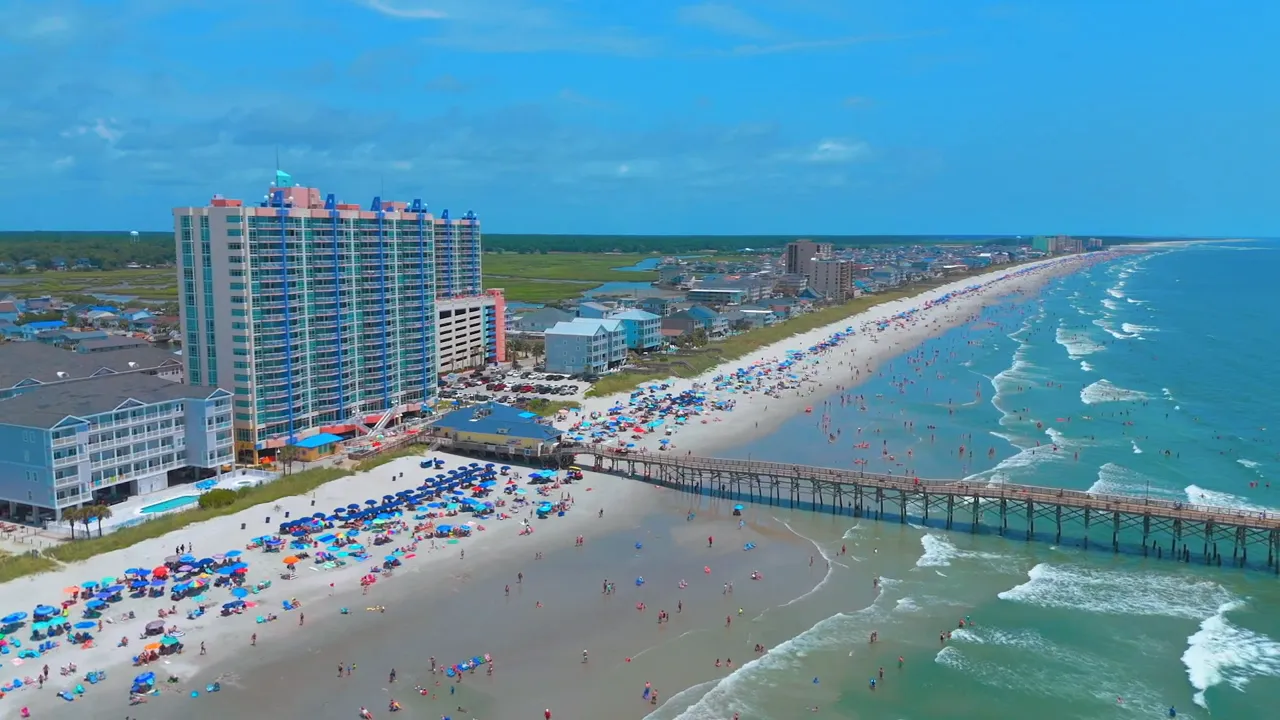
The biggest reality about living in Myrtle Beach, SC is that it functions as a major tourist destination. Millions flock to the beaches, amusement parks, golf courses, shopping, aquarium attractions, and live shows. That seasonal influx means quieter neighborhoods can feel crowded, roads fill up, and local services stretch thinner during peak months.
If you crave year-round privacy and calm, consider neighborhoods outside the busiest corridors or nearby towns where you can still enjoy coastal life without constant tourist traffic. Visiting during peak season first is a simple way to test whether the tourist energy sits well with you.
Crime and Safety in Myrtle Beach Neighborhoods
Places that attract a nightlife and large visitor numbers sometimes experience higher property and violent crime rates. In Myrtle Beach, incidents often involve alcohol-related disturbances, drug deals gone wrong, or gang activity. Locals tend to avoid late-night hotspots during peak season—short-term awareness goes a long way toward personal safety.
Practical advice: stay in well-lit, populated areas at night, and get local crime-mapping data for any neighborhood you’re considering.
Coastal Maintenance Costs for Homes and Vehicles in Myrtle Beach
Coastal living comes with maintenance realities. Salt air accelerates corrosion on metal fixtures, vehicles, and even some building materials. Air conditioning systems work much harder thanks to longer warm seasons, which shortens equipment lifespans. If your home is in a low-lying area, flood risk can drive up insurance costs—standard homeowners policies don’t cover flood damage.
Budgeting for regular power and home maintenance, corrosion protection, and potentially expensive flood insurance is necessary if you’re serious about living in Myrtle Beach, SC.
Population Growth, Traffic, and Infrastructure in the Myrtle Beach Area
Myrtle Beach and the surrounding metro area have been among the fastest-growing places in the country. Rapid growth brings benefits—more businesses and services—but it also means more traffic, longer waits for appointments, crowded schools, and pressure on medical facilities and utilities.
Think long term: if you plan to stay in the area, check school capacities, hospital wait times, and local transportation plans for the neighborhoods you like.
Myrtle Beach Home Prices: What Buyers Should Expect Today
Demand from retirees and relocating families pushed median home prices significantly upward in recent years. While housing remains below the national average in many parts of the region, competition and low inventory have made buying a challenge in popular neighborhoods.
Shopping for a house may require patience and flexibility. Consider a broader search area or be prepared to move fast when a well-priced property hits the market.
South Carolina Gun Laws and Local Culture in Myrtle Beach
South Carolina is a constitutional carry state. For people moving from areas with stricter gun regulations, the relative ease of acquiring and carrying firearms can be surprising or uncomfortable. Background checks are still required for purchases, but permit requirements for carrying have changed.
If local policy and community culture around firearms matter to you, include this in neighborhood research and conversations with residents before committing to a move.
Vehicle Property Taxes and Hidden Costs of Living in Myrtle Beach, SC
South Carolina requires residents to pay annual personal property taxes on vehicles and recreational equipment. Taxes are due when you register or renew plates. While the fee typically declines year to year as the vehicle depreciates, initial bills (especially for newer or higher-value vehicles) can be surprisingly high.
Plan for this recurring cost when calculating the real monthly expense of living in Myrtle Beach, SC.
Food Culture and Lifestyle Adjustments in Myrtle Beach
Food snobbery aside, regional tastes matter. If you expect authentic New York–style pizza and bagels, you may be disappointed. Local offerings can lack the crisp crust or the distinct texture you grew up with. For many, this is a small trade-off; for others, it’s a daily letdown.
If food culture is important, explore local culinary scenes and specialty shops beforehand. Many transplants eventually find or start spots that match their tastes.
Hurricane Season, Flood Zones, and Storm Risk in Myrtle Beach
Hurricane season runs June 1 to November 30, with peak activity in late summer and early fall. The area has a history of significant storms that caused flooding and long recovery times. Even outside major hurricanes, tropical storms can cause damage and prolonged inconvenience.
Mitigate risk by choosing higher-elevation properties when possible, investing in storm-ready upgrades, and having an evacuation and insurance plan in place. Flood insurance is often essential.
Political Climate and Community Fit in Myrtle Beach, South Carolina
Political culture influences community character. Some neighborhoods display political signage and community leanings that might feel welcoming or alienating depending on your views. If political environment is a factor for your daily comfort, research local voting patterns and spend time in neighborhoods to get a real sense of fit.
Social fit matters almost as much as practical factors. If you feel out of step with the community, it can affect how homey a place feels.
Pros vs Cons of Living in Myrtle Beach, SC
Living in Myrtle Beach, SC comes with undeniable perks: miles of coastline, warm weather, an active leisure economy, and a lower cost of housing in many neighborhoods. At the same time, the list above highlights why it is not the best fit for everyone. Think of the decision like any other major lifestyle change: weigh the benefits against recurring costs, safety, infrastructure, and cultural fit.
Download Our FREE Myrtle Beach New Construction Guide
Practical Next Steps Before Moving to Myrtle Beach
- Visit during peak and off-peak seasons to compare the experience.
- Talk to locals about neighborhood safety and maintenance costs.
- Request flood zone and insurance estimates for properties that interest you.
- Check school and healthcare capacity if you plan to relocate with family.
- Budget for vehicle property taxes and higher maintenance due to the coastal environment.
Want personalized help before you move? Schedule a free 30-minute Zoom consultation
FAQs About Living in Myrtle Beach, SC
Is living in Myrtle Beach, SC safe?
Safety depends on neighborhood and timing. Tourist areas and nightlife corridors can see higher crime during peak season and at night. Visiting neighborhoods, reviewing local crime maps, and speaking to residents will give you a clearer picture.
Are homes affordable for families and retirees?
Affordability has changed. Homes remain below the national median in many areas, but prices have risen fast due to demand. Expect competition, and consider nearby towns or less central neighborhoods to stretch your dollar.
Do I need flood insurance if I buy here?
Possibly. If a property is in a designated flood zone or a low-lying area, standard policies won’t cover flood damage. Always request flood-zone maps and insurance quotes during your property search.
How can I avoid the worst of the tourist crowds?
Consider living outside the primary resort strip, choose quieter suburbs, or pick neighborhoods that are primarily residential. Visiting during a busy weekend will help you experience traffic and crowds firsthand.
What should I budget for maintenance as a coastal homeowner?
Budget for more frequent exterior maintenance, corrosion protection for metal surfaces, more frequent HVAC service, and higher insurance premiums if you are in a flood-prone zone. A yearly maintenance fund equal to 1 to 3 percent of your home’s value is a reasonable starting point for coastal properties.
Final thoughts
Living in Myrtle Beach, SC can be wonderful for many people—especially those who love beach life and the active recreational scene. The goal here is not to discourage but to inform. If you value privacy, low maintenance costs, or a different political or culinary culture, weigh those priorities carefully before you move.
If you're ready to explore Myrtle Beach or want personalized neighborhood advice, call or text us anytime at 833-867-4376 and we'll help you evaluate properties, flood zones, schools, and more. We’re here to make your move smooth. Reach out now and let’s get started.
READ MORE: Why Move to Myrtle Beach, SC: Affordable Living, Beachfront Life & More

Cris & Alysia
A husband-and-wife team with a passion for helping people find their perfect home in sunny Myrtle Beach. Together, we bring decades of experience, a whole lot of heart, and a shared commitment to making real estate an exciting, stress-free journey for our clients.
LATEST VIDEOS


New Construction Home In Myrtle Beach SC: A Huge Upgraded Carolina Forest Home With Resort Amenities