Moving to Myrtle Beach, SC: What New Yorkers Really Need to Know
If you are seriously considering moving to Myrtle Beach, SC, this guide is written for you. You will get the straight talk on why so many New Yorkers are trading snow shovels and sky‑high taxes for yard space, slower mornings, and the ability to actually park your SUV in a garage. Expect practical tips, neighborhood realities, and a few "why didn't anyone warn me" moments from someone who made the move and helped dozens of others do the same.
Table of Contents
- Introduction
- Real Estate Reality: You Get More, but You Still Need a Plan
- The Lifestyle Shift When Moving to Myrtle Beach, SC: Less Honking, More Hello
- Weather and Seasons in Myrtle Beach, SC: No Snow, More Humidity
- Community and Culture in Myrtle Beach, SC: New York Grit Meets Southern Charm
- What Most People Wish They Knew Before Moving to Myrtle Beach, SC
- Practical Next Steps for Moving to Myrtle Beach, SC
- Final Note
- FAQs
Introduction
At the top of the list is cost of living. When you sell a cramped New York apartment and walk into a model home here, you get reverse sticker shock. A two‑story house with a yard and a two‑car garage becomes not only possible but often the smart financial move. South Carolina does not tax Social Security and offers retirement income deductions, so retirement accounts or remote salaries stretch further.
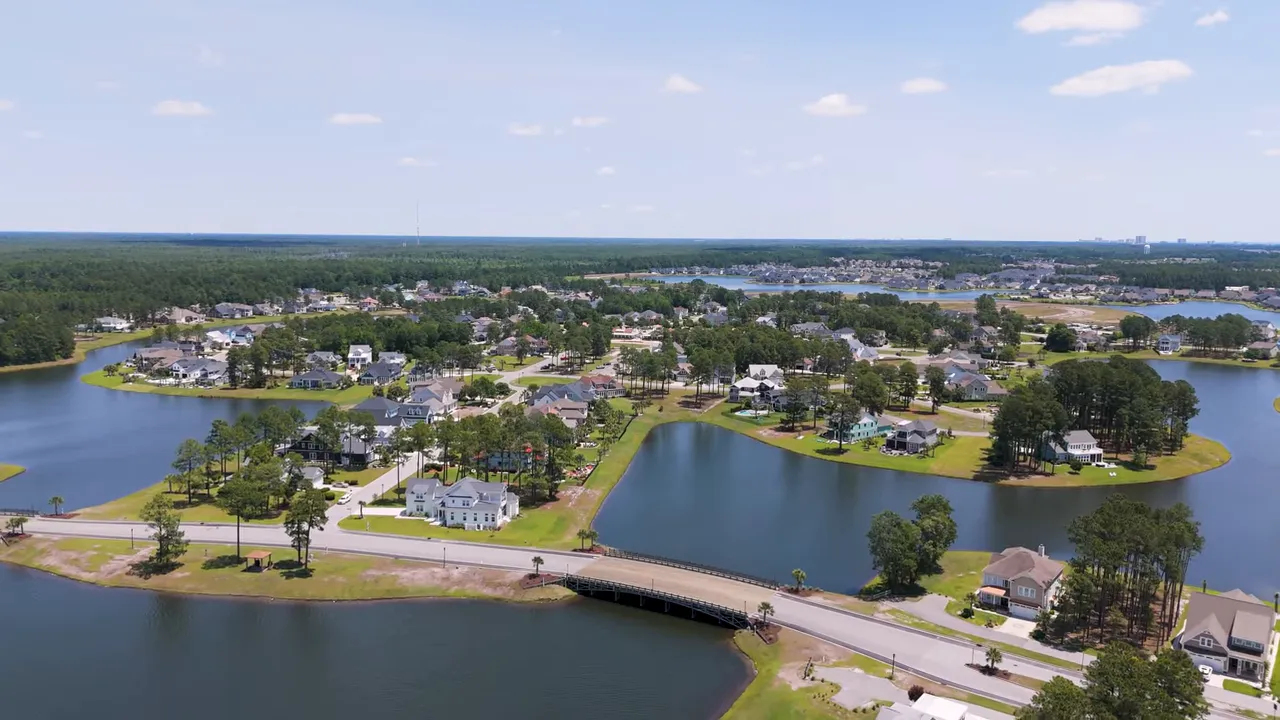
Compare property taxes and you will notice the difference right away. In many New York suburbs property taxes easily run $10,000 to $20,000 a year. In and around Myrtle Beach, a typical home in the mid 300s often carries property taxes well under $1,800 annually. Groceries, gas, and prescriptions tend to be cheaper too. That matters if you are thinking long term.
VIEW HOMES FOR SALE IN MYRTLE BEACH, SC
Real Estate Reality: You Get More, but You Still Need a Plan
Yes, you can buy a three‑bedroom, two‑bath home with a two‑car garage for the price of a tiny New York unit and maybe still have money left for a golf cart. That does not mean every listing is a win. Neighborhoods here are smart markets; some appreciate faster, some have better schools, and some HOAs will make you regret your life choices over mailbox rules or paint colors.
Flood zones are a real issue. A house that looks perfect might require $3,000 a year or more in flood insurance. That cost changes the math. Work with someone who can decode flood maps, HOA documents, builder warranties, and resale red flags. Doing this blind is a rookie move; doing it with guidance is how you get a great house and a great value.
The Lifestyle Shift When Moving to Myrtle Beach, SC: Less Honking, More Hello
The tradeoff for calmer days is that things move at a different pace. Commutes are shorter, strangers smile in traffic, and grocery runs do not require parallel parking. You can be at the beach in 15 minutes on a good day. That peace is addictive.
But be ready for relaxed timelines. DMV lines can be long. Contractors work on their own schedule. "I'll be there Tuesday" often means "some Tuesday pretty soon." Learning how to politely nudge service providers and build a local network of reliable tradespeople pays dividends.
Weather and Seasons in Myrtle Beach, SC: No Snow, More Humidity
Winters here are hoodie weather for the most part. January days in the 50s and 60s are typical. Frost is rare, and people treat the first cold snap like the end of the world. Summers are humid. If you want to experience living inside a warm, damp sponge, July will be your month.
Hurricanes are part of the mix. Some years are quiet; others require attention. Learn which neighborhoods sit on higher ground, what kind of insurance to buy, and how to get protection without overpaying. Planning ahead replaces panic when an evacuation notice lands in your inbox.
Community and Culture in Myrtle Beach, SC: New York Grit Meets Southern Charm
Expect culture shock in the best way. New Yorkers will recognize a familiar bluntness, while locals bring genuine friendliness and a tendency to ask after your family. You quickly find the balance: you keep your edge and learn to enjoy front‑porch conversations about college football and neighbors who actually stop to say hello.
There are pockets where many New Yorkers settle together, so you can have bagel recommendations and a Bronx accent at Costco if you want. At the same time, you will gain slow mornings and neighborliness that many former city dwellers say they missed.
What Most People Wish They Knew Before Moving to Myrtle Beach, SC
- Not every "beach home" is minutes from the sand. Some can be a 30‑minute drive depending on traffic.
- HOAs vary wildly. Some are excellent. Others will fine you for a plastic flamingo.
- Pizza is different here. There are great places if you know where to look; it's worth asking local friends or agents for recs.
- You do not need to sell everything. Many homes include garages and attic space, so storage is not the enemy you think it is.
If you need to buy a home, contact me — call or text: 833-867-4376. Or Schedule Discovery 1-1 Zoom Call.
Practical Next Steps for Moving to Myrtle Beach, SC
Start with a conversation with someone who lives locally and knows the market. Real estate experience plus a little New York sarcasm is the perfect combo. Ask for:
- A neighborhood list that matches your priorities: commute, schools, flood risk, and HOA rules.
- Comparable sales so you understand what a fair price looks like in 2025 and beyond.
- Insurance rough‑ins for flood and homeowners policies so you can budget properly.
- A relocation guide that covers taxes, utilities, and service providers you will need on day one.
Final Note
Moving to Myrtle Beach, SC, can be one of the smartest moves you make if you plan it. You gain space, lower taxes, and a more relaxed rhythm of life. You also trade snow for humidity and immediate access to certain services for a friendlier local pace. The opportunity is huge, but the best outcomes come from asking the right questions, checking flood maps, and picking neighborhoods with future value.
DOWNLOAD YOUR FREE RELOCATION GUIDE
FAQs
How much cheaper are property taxes compared to New York?
Property taxes in the Myrtle Beach area can be a fraction of what you pay in New York. For example, a typical home around $350,000 often has property taxes under $1,800 annually, whereas similar value homes in New York suburbs commonly carry taxes in the $10,000 to $20,000 range.
Is flood insurance mandatory and how expensive is it?
Flood insurance may be mandatory if a property is in a designated flood zone and if your mortgage lender requires it. Costs vary widely; some homes can run about $3,000 a year for flood coverage. Reviewing flood maps before you buy is essential to avoid surprises.
Will I find a community of other New Yorkers?
Yes. Many New Yorkers relocate here and tend to gravitate toward the same neighborhoods. You can find groups, meetups, and pockets where fellow transplants gather, which makes the cultural transition easier.
Do I need to sell everything before moving?
No. Many homes in the Myrtle Beach area include garages and attic storage. You do not have to downsize to bare bones; plan your move based on what you actually use and what has real value to you.
What are the biggest lifestyle differences?
Expect shorter commutes, friendlier interactions, and easier parking. The flip side is a slower pace for some services and greater humidity year round. You trade honking horns and long tunnels for waves in traffic and beach access.
READ MORE: The Truth About the Myrtle Beach Real Estate Market in 2026

Cris & Alysia
A husband-and-wife team with a passion for helping people find their perfect home in sunny Myrtle Beach. Together, we bring decades of experience, a whole lot of heart, and a shared commitment to making real estate an exciting, stress-free journey for our clients.
LATEST VIDEOS



New Construction Home In Myrtle Beach SC: A Huge Upgraded Carolina Forest Home With Resort Amenities